Your cart is currently empty!
Category: Real Authenticity
Discover Morocco’s imperial cities: an Unforgettable Learning Experience
Rabat, Marrakesh, Fez and Meknes are Morocco’s four imperial cities and visitors can enjoy getting lost amid their maze-like medinas, which have been made UNESCO World Heritage Sites. Enticing Arabic culture with its palaces, madrasas and mosques waits for you around every corner. These cities are also a shopper’s paradise and their lively souks are perfect for giving in to temptation.
These four exotic cities are bursting with life and here visitors can experience endless sensations: colours, scents, tastes, sounds and textures that make each one special and give it its own particular character. Morocco’s imperial cities are ancient religious, cultural and political centres and are compulsory stops on a visit to the country. Would you like to find out more? Then read on!
Rabat: the capital of Morocco
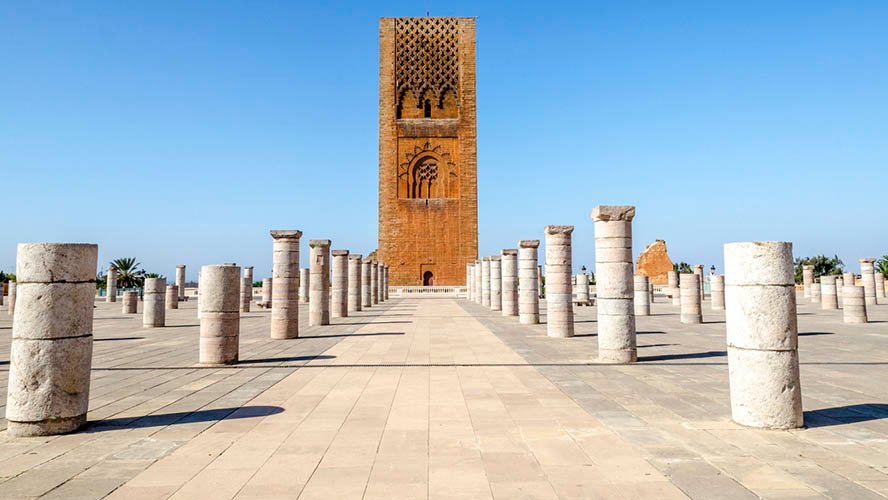 Rabat is the capital of Morocco and the heart of institutional life here. Located between Fez and Marrakesh and very close to Casablanca, it’s worth spending at least a day in the city to explore the streets of its medina and visit its most emblematic buildings.
You could start at the Kasbah of the Udayas, a citadel that contains one of Rabat’s most beautiful and characteristic areas. An alcazaba, narrow streets, white and Klein blue façades, gardens inherited from the Al-Andalus and French periods and busy Rabat beach are just some of the attractions in this neighbourhood and it can easily be seen in two or three hours.
Rabat medina is just 10 minutes on foot from the Andalusian Gardens of the Kasbah. Wander freely among its intricate network of streets until you reach the main shopping area: the souk. It’s definitely the perfect place to go shopping by haggling for typical souvenirs such as hijabs, slippers, rugs and lamps.
Continue your journey to discover more of the city’s most famous monuments, including Hassan Tower, a minaret reminiscent of La Giralda in Seville (the architect was the same) that is part of the ruins of an ancient mosque, and the Mausoleum of King Mohammed V.
Marrakesh, the most popular and frequently visited city
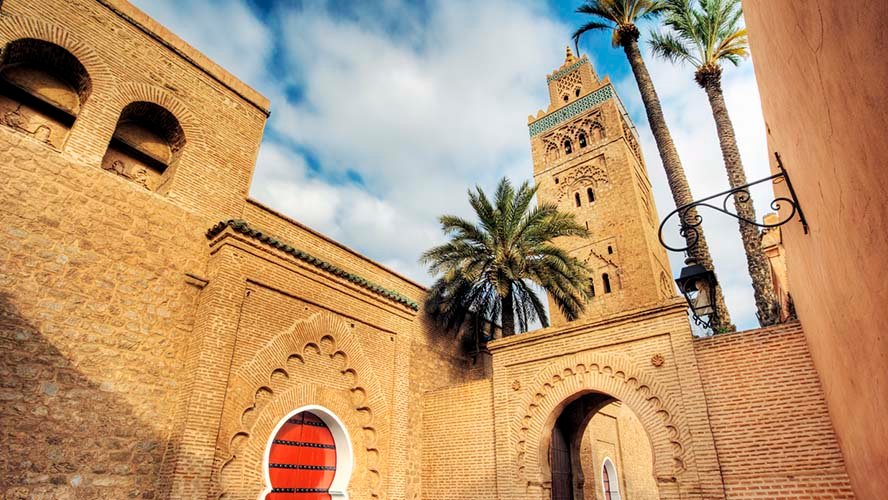 Sheltered by the Atlas Mountains and far further south than the other imperial cities, no visit to Morocco would be complete without a stop in Marrakesh.
You’ll need at least two or three days to a get a real sense of the city, the cultural heart of Morocco, and have enough time to relax in one of its many baths or hammams.
Taking the medina as a starting point, because most visitors stay in a riad, you could go for a wander along its narrow streets and discover unique buildings along the way, such as Madrasa Ben Youssef, the biggest madrasa in Morocco. Head towards the lively souk area where you can find almost anything you might need – but make sure you’ve honed your haggling skills!
Soon you’ll get to Jamaa El Fna Square, one of the busiest places in the city both during the day and at night. Whether it’s morning, noon or night, we recommend climbing up to the rooftop of one of its surrounding cafés and restaurants to enjoy some Moroccan tea and the wonderful views. In the distance, the minaret of Kutubiyya Mosque, built in the Hispano-Muslim style, dominates the city’s skyline.
After visiting the medina, it’s worth exploring a bit further afield to discover other unmissable sights of Marrakesh, such as the palaces of El Badi and Bahia, or outdoor spaces: the Palmeraie, the Menara Gardens, and the exotic Majorelle Gardens, which belonged to Yves Saint Laurent and is one of the most evocative spots in the city.
Whether you come for a long or short stay, you’ll leave Marrakesh making plans to return.
Fez: medieval, religious and traditional
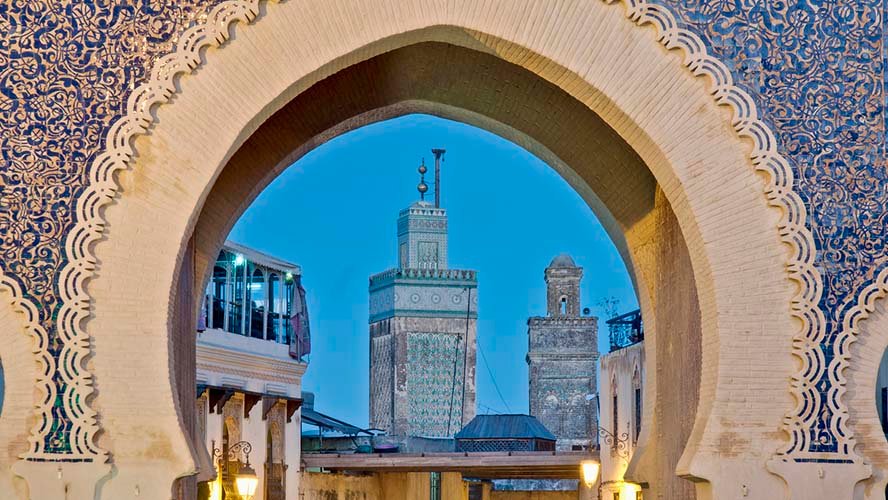 There’s plenty to see and do in Fez. It’s best to stay for at least one or two days to enjoy everything this medieval city has to offer, especially Fes El Bali medina, a UNESCO World Heritage Site.
Pass through the famous Blue Gate, or Bab Boujeloud, and you’ll find yourself in the medina. From here on it’s all about strolling around and enjoying each and every new discovery: the souks, ancient fountains with colourful tiles and picturesque squares lined with cafés. You’ll also come across several important buildings such as the madrasas (Koranic schools) of Bou Inania and Al Attarine, the Nejjarine School of Wood Arts and Crafts, and the Mausoleum or Zawiya of Moulay Idriss II. Each building will give you the chance to admire the minute attention to detail that is so typical to Islamic-style architecture and decoration.
But if Fez is famous for one thing above all, it’s its four traditional tanneries; Chouwara is the largest of the four. Tanneries are a unique sight and, despite the pungent smell, it’s well worth visiting at least one to discover the traditional work method first hand: watch tanners submerging leather into dozens of pits filled with different colours of dye.
If you’d like to enjoy a view of the entire city and get a sense of Fes El Bali’s size, we recommend climbing to the rooftop of a café or restaurant for a tasty dinner of food typical to Fez (internal link) as the sun sets behind the roofs and minarets.
Meknes: Morocco’s undiscovered city
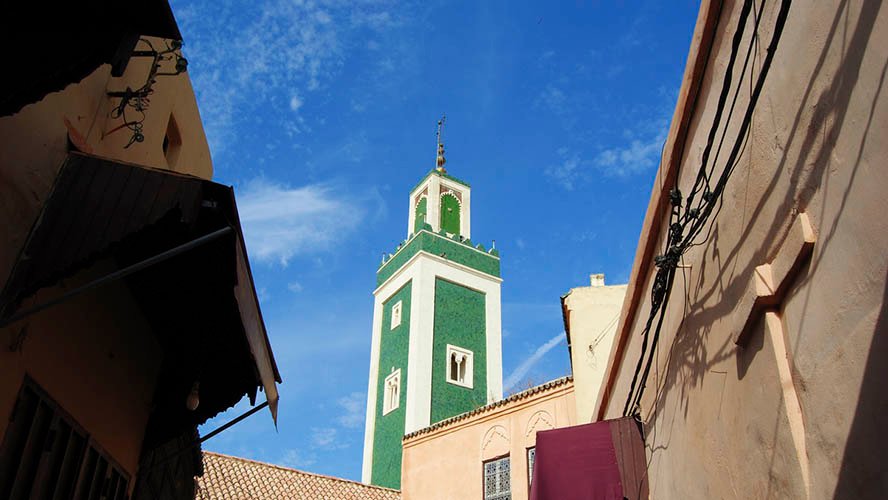 Meknes, the least tourist-oriented imperial city in Morocco, is just 65 km from Fez. It’s the most peaceful and authentic of the four imperial cities and was formerly the nation’s capital in the 17th century. Meknes is definitely the city with the greatest essence of Morocco.
A UNESCO World Heritage Site, the city invites you to wander the placid, pastel and ochre-coloured streets of its medina. Exploring the souks in search of a bargain is a real treat; prices in Meknes are lower than in other cities and you won’t need to haggle as hard as you do in other, more touristy, places. After the souk, you could walk up to El Hedim Square, the main meeting place, to admire majestic Bab El Mansour Gate. It’s also worth taking your time to spot every architectural detail of two of the city’s most important buildings: Bou Inania madrasa and the Mausoleum of Mouley Ismail. Surprising Meknes puts the finishing touch to a wonderful tour of Morocco’s imperial cities.
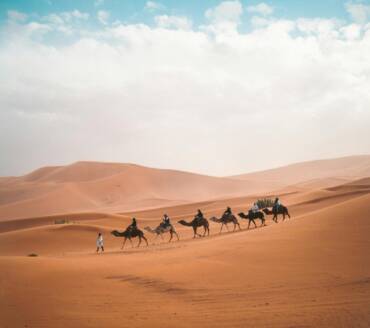
Ride The Desert Golden Sands On Camels back
Camels in the Moroccan Desert: A Fascinating Encounter
Embarking on a Moroccan desert tour guarantees a captivating encounter with the emblematic camels. As you venture into the heart of the Moroccan Desert, these majestic creatures will grace your path. Amidst their natural habitat, you’ll witness camels engaged in various roles: transporting goods with unwavering diligence, exuding an air of purposeful labour, and patiently awaiting the opportunity to offer you a memorable camel riding experience.
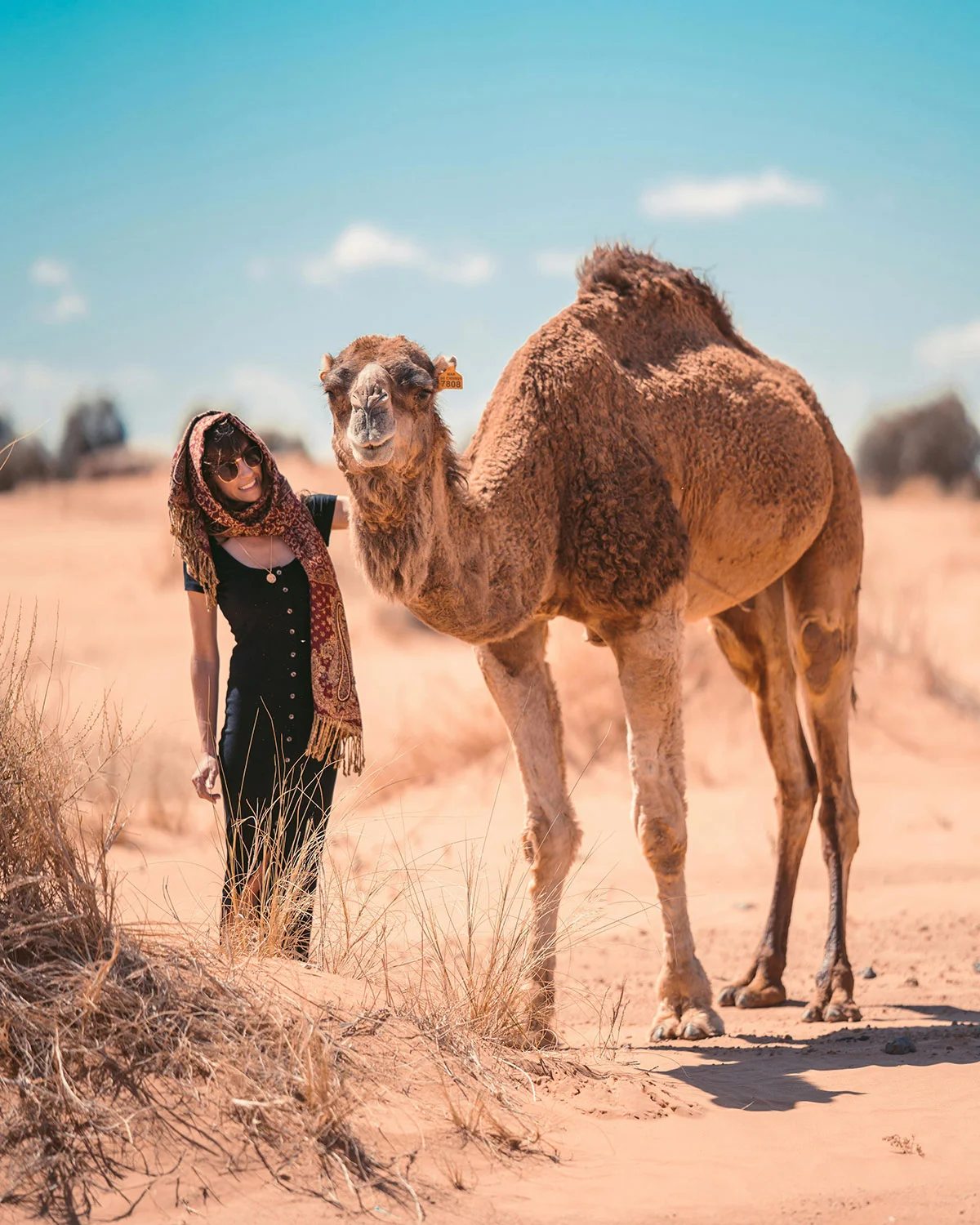
Discovering the Majestic Presence of Camels
The thing about camels is they are in fact more intimidating up close than they are on a television screen. Camels, whether they have one hump or two, are pretty large. And they are not like dogs who endear themselves to you. Camels are aloof, they are proud, and there are those who think they are arrogant!
Mounting a Camel: An Unforgettable Experience Assisted by Guides
Actually, camels are fascinating creatures. Firstly, if you get to ride a camel in Morocco , and we really suggest you do, you will have assistance. Camels kneel down for you to mount them and it’s an easy process but it can be a bit unnerving. A guide will always be there to keep the camel in place, and to help you get up. Once you’re up, it’s a bit like balancing on a horse. There’s a hump for you to hold, and of course, there are reins too so you can balance and feel secure.
Exploring the Desert: Spectacular Scenery and Nomadic Feel
Riding through the desert on a camel is incredible. You feel like a Bedouin or a Nomad. The scenery is amazing – red sand, dunes for miles, the dark blue sky, and unless you ride to an oasis which you may well do, there is nothing around. Of course, when you do a camel desert safari, there is in fact plenty around, you just don’t see it easily. Guides carry delicious snacks, drinks and will set up camp for you in a shady spot (tea stop, water stop, lunch stop) in a luxurious and adventurous manner. You may be going for an hour ride, a half-day ride, or on an overnight safari. There are many options for our Moroccan camel tours, and they are all amazing.
The Amazing Adaptations of Camels: Survival in the Desert
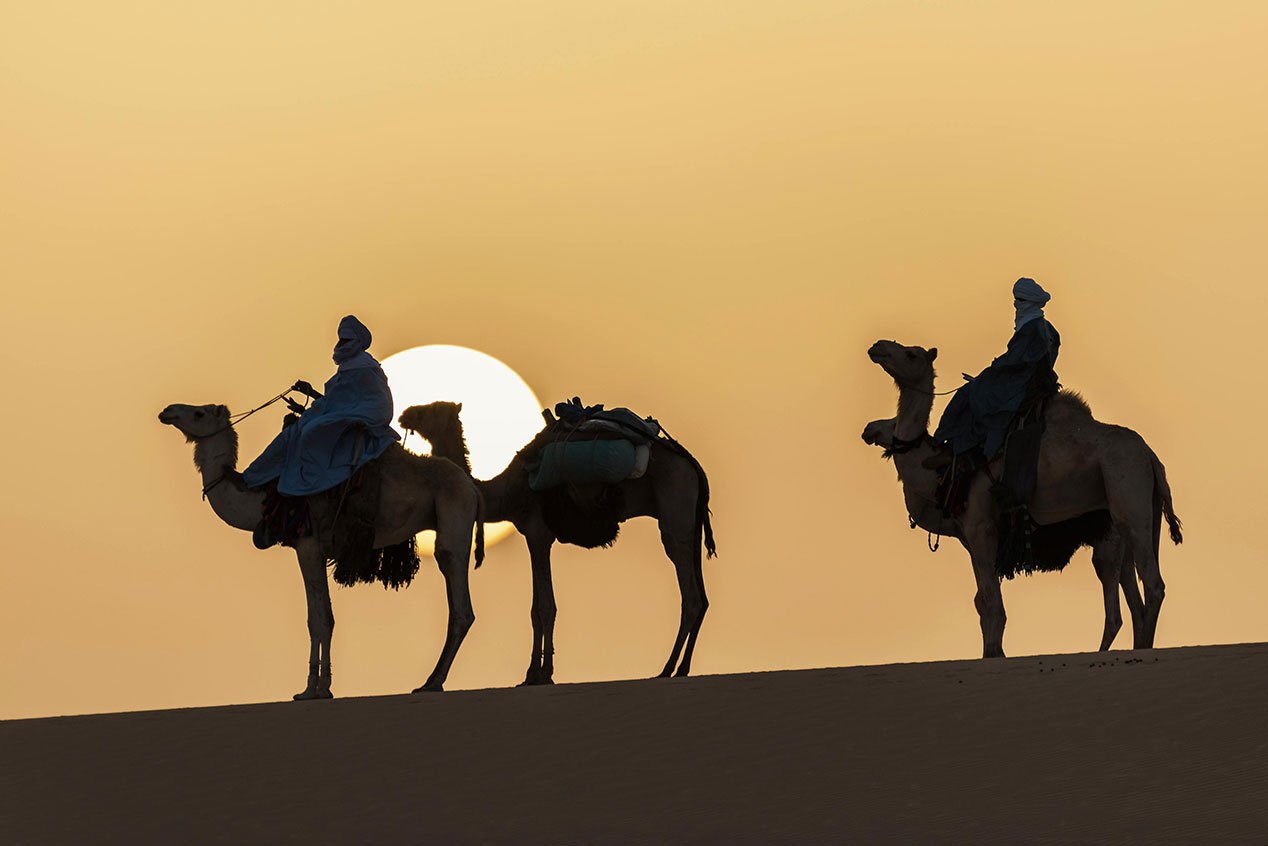
A group of camels is called a caravan of camels, and we have all seen photographs as they walk through the desert in a long line, sometimes up to 1000 camels at once. Camels were used as carriers of goods, including salt, cotton, tea and gold, and were an important part of the Trans-Saharan trade route. Their specially adapted body features, eyes, eyelids and hair, protect them from the sun and they can walk for days without water. Their humps are filled with fat, not water as previously thought, which will keep them going for days.
Leisurely Camel Rides: Capturing Memories in the Desert Landscapes
While camels can demonstrate swiftness, your journey atop them during a Morocco camel tour unfolds slowly and leisurely so the journey is safe and you can take in the beautiful desert landscapes. Give your camera to the guide so he can get good pics of you perched on top of a camel, and don’t forget to dress appropriately. Long pants so your legs don’t get scratched, a long sleeved shirt to protect you from the sun, and of course, a local Moroccan scarf or turban to cover your head from the sun!
Explore the Moroccan Sahara on Camelback
Morocco has a large area of land and there are so many different and adventurous ways to travel across the desert. Camel Trekking is one of the most beautiful ways to travel and takes you back to your ancient Nomadic past.
Unveiling the Spectacular Moroccan Sahara
An easy-going trek swaying back & forth on the back of a camel has got to be the finest way to explore any desert, especially the Moroccan Sahara, one of the most spectacular and accessible regions.
Embrace the Camel Trekking Adventure
The Berber and Nomadic people have spent thousands of years that lived in travelling and transporting their goods by camel and this is definitely the ideal place for a camel trekking adventure.
Unforgettable Moments in the Moroccan Desert
Camel trekking in Morocco can take from 2 days to 2 weeks. Watch in awe at the incredible sunrise while standing on top of a sand dune or sit around the camp fire at night under a stunning sky full of stars at a traditional Berber desert camp.
Connect with Nature and Yourself
Exploring the beautiful scenery of Morocco, travelling with a caravan of camels is a fascinating thing to do and a real experience which gives you the time and space to get away from things and connect to yourself, returning home with a renewed sense of perspective.
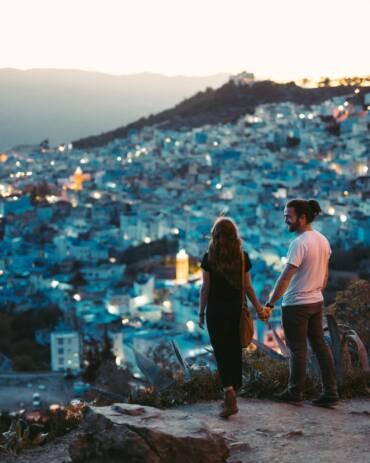
Northern Morocco Blue Mountains & White Hearts
Morocco, Our Northern African country known for our rich history, vibrant culture and breathtaking landscapes, also home to some of the world’s most picturesque and charming cities. Among these architectural gems Morocco’s famous “blue cities” are located here These destinations stand out for their streets and buildings painted in shades of blue and white, creating a magical atmosphere that attracts travellers from all over the world.
5 Blue Cities of Morocco
1. Chefchaouen: The Blue Treasure of the Rif

Chefchaouen often simply called “Chaouen”, is Morocco’s best-known blue city and one of the most photogenic in the world. This gem is located in the Rif Mountains in northern Morocco. What makes Chefchaouen so special is its unique architecture, where the houses and buildings are painted in a variety of shades of blue and white, creating a stunning visual effect.
The history behind the choice of blue as the predominant colour in Chefchaouen varies according to sources. Some say it is due to a Jewish tradition that regards blue as a sacred colour, while others claim that blue helps keep mosquitoes away or that it was simply chosen for its tranquillity and serenity. Whatever the reason, the result is a city that looks like something out of a fairy tale and is well worth a visit.
In addition to its blue streets, Chefchaouen offers visitors the opportunity to explore its souk, sample delicious Moroccan cuisine in its local restaurants and enjoy breathtaking panoramic views from the hills surrounding the city. It is also a popular starting point for those wishing to go hiking and trekking. excursions in the Rif Mountains.
2. Rabat: the Capital with Touches of Blue
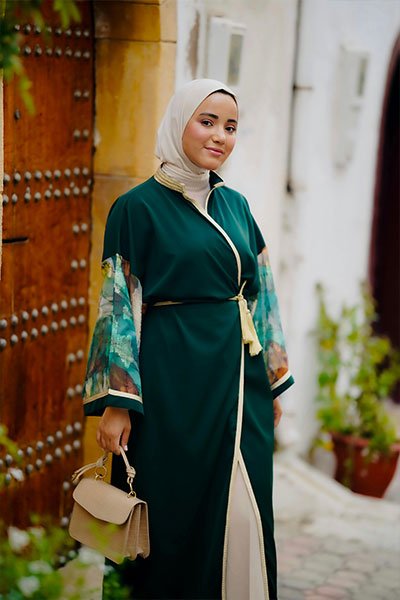
While it is not as well known for its blue colour as Chefchaouen, the capital of Morocco, Rabat The medina, an old town with narrow streets and historic buildings, also has some areas that display this charming hue. Rabat’s medina, an ancient city with narrow streets and historic buildings, includes houses painted blue and white in some parts.
Rabat is a city steeped in history and culture. Here, visitors can explore monuments such as Hassan Tower the Mausoleum of Mohammed Vas well as enjoy the French and Spanish colonial architecture in the new city. Rabat’s mix of old and new makes it a fascinating city to explore.
3. Asilah: Art and Blue on the Atlantic Coast
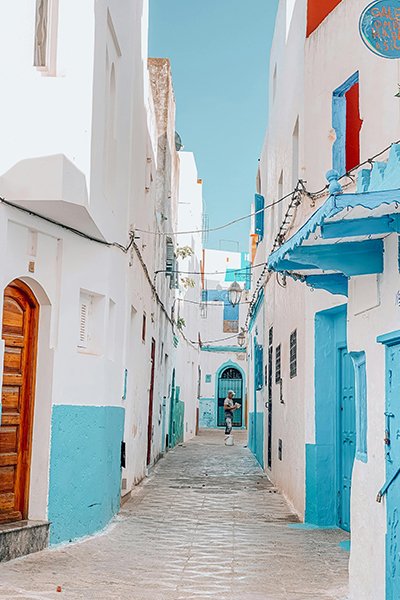
Located on the Atlantic coast of Morocco, Asilah is another city that has embraced the colour blue as part of its identity.. In addition to its blue and white painted houses and buildings, Asilah is known for its annual art festival.which attracts artists from all over the world to decorate the walls of the city with impressive murals.
The walls of AsilahThe city walls, which surround the city, are a highlight for visitors. You can stroll along the ramparts and enjoy panoramic views of the Atlantic Ocean while gazing at the colourful murals that adorn the city streets.
4. Tangier: A Touch of Blue in the International City

Tangier, a city that has been a melting pot of cultures for centuries, also features some areas with touches of blue. Although not as famous for its blue architecture as Chefchaouen, you can still find buildings and houses painted in shades of blue in parts of Tangier’s medina.
Tangier is known for its historical importance as a meeting point between Africa and Europe.and offers a unique blend of cultural influences. Visitors can explore the Casbah, visit the Tangier Museum and enjoy the city’s lively food and art scene.
5. Tetouan: The White Dove of the Mediterranean
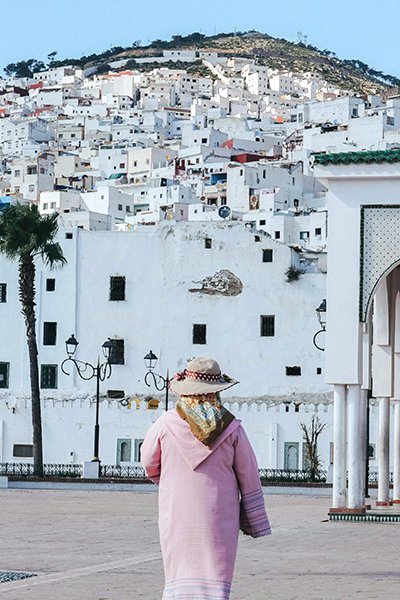
Tetuanoften called “The Pearl of the North Due to its location on the Mediterranean coast of northern Morocco, Tetouan is another city that deserves a special mention when talking about the country’s blue cities. Although Tetouan is not as well known as Chefchaouen, its medina also features streets and buildings painted in shades of blue and white, giving it a unique charm.
Tetouan is famous for its Andalusian architecture and rich history. Visitors can explore the medina, visit the Royal Palace and enjoy authentic Moroccan culture in its markets and squares. The combination of Andalusian heritage and Tetouan’s blue touch makes it an attractive destination for those looking for a unique Moroccan experience.
Moroccan Heritage and Ancient Traditions Vs Modern Morocco
With a population that’s made up of Berbers and Arabs, each ethnic group has contributed to the country’s wealth of rituals, celebrations, and cultural traditions. Since most Moroccans are Muslim, there are influences from Islamic custom, but there are some things you’ll only find in the kingdom.
Clothing: Djellaba Bziwiya
Djellabas are a type of loose long item of clothing that can be worn by people of both sexes. They have long sleeves and usually, a pointed hood as well. The item of traditional clothing most commonly associated with Morocco, it has Berber roots, and thus can be found in other North African lands where Berbers settled, for example Algeria and Tunisia. The djellaba bziwiya, however, originated in Morocco’s town of Bzou and is unique to the country. The fabric is much thinner than a regular djellaba and it can take up to a month to hand-make one.
Clothing: Takchita
Similar to a kaftan, a takchita is a long and loose item of clothing worn by women in Morocco and is commonly worn for celebrations and special events. It is made of two pieces: a fairly plain dress and a beautiful over-garment richly decorated with beads, sequins, buttons and embroidered details.
Music: Malhun
This music was born in the communities of Morocco’s artisans in the south of the country. With influences from Andalusian musical styles, malhun is a type of sung poem, with lyrics that often relate to social and cultural issues.
Food: Tanjia
Tanjia is a traditional Moroccan dish from Marrakesh. The meal takes its name from the stone pot it is cooked in. A meaty dish – spices, oil, and salted lemon are added to cuts of meat (usually lamb) before being slow cooked in embers. It was traditionally eaten by men who worked in the souks; they would prepare a tanjia for their day off on Fridays and take it to the park for a picnic with their friends.
Food: Couscous on Fridays
While couscous is widely eaten in many countries around the globe, this staple food of Morocco is traditionally enjoyed on Fridays. A particular type, seven-vegetable couscous, is the norm on the Islamic holy day. The word for Friday in Arabic means ‘ensemble’ and, as the holy day, it sees a lot of people grouped in mosques. Couscous is typically eaten in groups, such as a large family sitting down together to share a meal from one large dish. Historically, people would gather after the Friday prayers and look forward to a meal that was plentiful enough to make everyone feel full and satisfied.
Decorations: Zellige
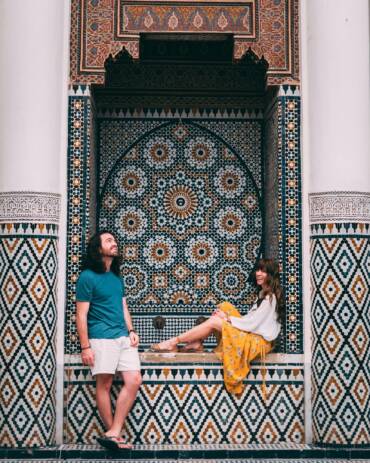
Zellige is the name given to the ornate and colourful tilework that can be found in many elegant buildings around Morocco. The craft originated in Fez, and it still practised today by master artisans. Small pieces of colourful tile are shaped by hand, using a fine chisel, and then set into white plaster to create intricate designs. In keeping with Islamic principles, designs are generally of geometric formations or flower-like patterns.
Celebrations: Moulay Idriss Festival
Idriss I founded the Idrisid dynasty in Morocco, becoming the first Arab ruler of the area. He was also significant in spreading and promoting Islam through the region, and was directly descended from the Prophet Muhammad. He founded the town of Moulay Idriss. After his murder, his son, Idriss II, went on to found the city of Fez and expand the kingdom. Each year, the Moussem of Moulay Idriss II honours this past leader. It is held in Fez and its surrounding towns and cities, although the large festivities draw people in from much further afield. There are lively processions, complete with traditional singing, dancing, and musical instruments, with some parade goers on foot and others riding on the backs of donkeys, wearing colourful cloths on their backs. The date is based on the Islamic calendar and so changes from year to year.
Celebrations: Amariya at a Wedding
There are two very different traditional wedding celebrations in Morocco, those of the Berbers and those of the Arabs (and many city-dwelling Berbers). One element of an Arabic wedding that is unique to Morocco is the bride and groom being paraded around the room on an amariya, a type of large chair that is carried by four men. The couple is carried around the room to greet all of their guests and for well-wishers to extend their blessings and hopes for a happy future, to the couple.
Language: Darija
While Arabic and Amazigh are the two main languages spoken in Morocco, and standard Arabic is the country’s official language, Darija is the form of Arabic that is most commonly used among the Arabic-speaking people of Morocco. Although it is similar in many ways to other forms of Arabic, especially those used in nearby Algeria and Tunisia, the Moroccan language has a few peculiarities that aren’t found in other Arabic-speaking nations. Indeed, some linguists consider the North African dialects of Arabic to be independent languages. Darija comes from various sources, such as old Arabic, Berber languages, sub-Saharan languages, Turkish, French, Spanish, and Italian. The colonial influences from the French and Spanish made a mark on the local language, and it’s not unusual to hear European words scattered in sentences.
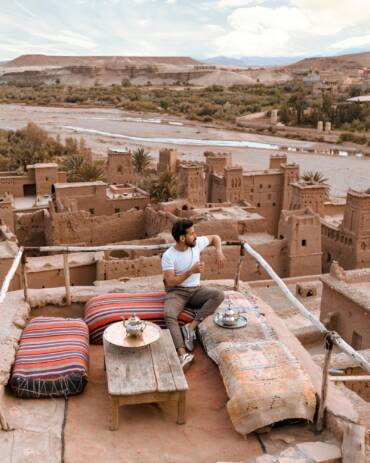
Castles from Clay for Humble Kings and Queens
Medinas, Souks, Mellahs, Foundouks, Casbahs, and Ksour
The word medina means “town” in Arabic. It refers to Morocco’s old pre-20th century cities, many of them enclosed within defensive walls. A medina has several monumental gates through which it can be entered, and—always—a mosque at its heart. Medinas are separated into quarters according to social and commercial hierarchies, with each quarter having its own communal oven, hammam (steam bath), and grocery shops within its network of streets and alleys.
Designated quarters: Craftsmen work in the areas of the medina known as souks, which were laid out according to the commodities being made and sold, with the most valuable products (such as gold and manuscripts) in the center and lesser goods radiating out from there. Today, little has changed, with each souk still named after the products sold there. For much of their history, Moroccan Jews lived in segregated mellahs—Jewish quarters—where they built homes, synagogues, markets, hammams, playgrounds, and cemeteries. The first one was established in a saline area of Fes in 1438 and named after the Arab word for salt: mellah. Subsequently, all Moroccan Jewish quarters were called mellahs. We’ll visit the souks and mellah in Fes, and have another opportunity to explore souks in Marrakesh.
Outside the cities: Before the 20th century, a foundouk was a caravansary, or roadside inn, used by traveling merchants. They slept upstairs, and on the ground level was a courtyard surrounded by stables for their camels, donkeys, and other livestock, as well as their goods for sale. We’ll see this layout at the Nejjarine Museum we visit on Day 4; it’s a restored foundouk. A casbah is a fortress-style building with crenellated defensive towers. In rural Morocco, representatives of the ruler lived in and governed from casbahs; a casbah can be inside a ksar (plural ksour), which is a fortified rural village surrounded by walls. Ait Ben Haddou, which we explore on Day 10, is a spectacular example of a ksar.