All the best bits of Morocco, from colourful cities and medinas to the mountains and the desert
If you’re looking for a two-week adventure full of Morocco’s highlights, this trip is for you! From sacred sites and bustling medinas to the expanse of the Sahara, you’ll be hitting all the popular hotspots and stopping for air in some of the country’s best scenery. Wander in the lanes of the blue city Chefchaouen, explore the Roman ruins of Volubilis and find the cultural heart of Morocco in Fes. Drive through everchanging scenery (look out for Barbary apes and nomadic shepherds along the way), ride a camel towards a desert sunset, hike through lush palm groves in Todra Valley, discover popular filming locations in World Heritage-listed Ait Benhaddou, kick back and unwind in seaside Essaouria and top it all off with the street food bazaars and performers in Djemaa el-Fna Square in Marrakech.
Why you’ll love this trip
Trek through the dramatic red dunes of the Sahara Desert on a camel’s back, experiencing an unforgettable sunset – then stay under a blanket of North African stars in a desert camp.
Kick back in the coastal town of Essaouira and discover the winding laneways at your own pace. Then, meet a local fisherman by the seaside and learn about his life and this traditional practice.
Embrace the Atlantic breeze in the coastal town of Tangier and see the vivid blue hues of Chefchaouen over sunset, while you explore the houses and laneways of this surreal city.
Explore the old medina of Marrakech and the labyrinthine medina of bustling Fes with knowledgable local guides, discovering the myriad of sights, smells and sounds along zigzagging lanes. Then, discover the colourful chaos of Djemaa el-Fna Square.
Stay in a traditional Amazigh homestay high in the Atlas Mountains and enjoy a homecooked meal of Moroccan favourites, learning about the culture and traditions of an Indigenous population who’ve stood the test of time.
Day 1 : Casablanca
Salaam Aleikum! Welcome to Morocco. Your adventure begins today with a welcome meeting at 6 pm in the famed city of Casablanca. If you’d like to explore the city and all it has to offer, it’s recommended that you arrive a day or two early. Modelled after Marseille in France, this city is famous for its art deco buildings and the modern Hassan II Mosque. If you have time, wander the old medina and the city walls, then jump in a taxi to visit the Quartiers des Habous – the new medina. Finish the day with a walk along the Corniche, watching the locals play football on the beach or taking it easy at one of the many great cafes.
Special information
It’s very important that you attend the welcome meeting as we will be collecting insurance details and next of kin information at this time. If you are going to be late, please let your travel agent or hotel reception know. Ask reception or look for a note in the lobby for more information on where the meeting will take place.
Please be aware that some of our travellers in Casablanca are being approached by locals offering excursions before their Intrepid trip commences. This has been particularly prevalent in and around the hotels used by Intrepid. These guides are in no way connected to Intrepid Travel, and we cannot guarantee the safety or quality standards of their tours. We strongly advise customers against joining any tour offered by unauthorised guides.
Day 2 : Tangier To Chefchouen
This morning, take the TGV fast train to the coastal town of Tangier – a place of strategic importance to the Mediterranean as a gateway to Africa. Head out on a short orientation walk with your leader, then enjoy some free time exploring the town. Maybe duck into Café Hafa, which has hosted celebrities in the past like Sean Connery, The Beatles and The Rolling Stones. Why not enjoy the epic view overlooking the Gibraltar while you partake in the national brew of Morocco – a steaming cup of mint tea? In the afternoon, take a private transfer to the beautiful Chefchaouen. Set against a wide valley and nestled between two peaks in the stunning Rif Mountains, much of Chefchaouen was recreated by Andalusian refugees escaping the Reconquista – so you might just feel like you’re in the hills of Spain. Follow your leader on an orientation walk and head to a great sunset viewpoint overlooking the town. In the evening, if you’re feeling peckish, the local goat’s cheese is a popular treat.
Day 3 : Chefchouen
Today is a free day in Chefchaouen. Maybe take a guided tour of the sights, sounds and smells of the medina, or sample the delicious local specialties (the orange juice is delicious!) at a cafe in the Plaza Uta el-Hammam. Alternatively, you might prefer to get out of town and enjoy a hike and picnic in the surrounding hills. The hiking tour outside of the city is a popular option, as you can leave the shades of blue for a journey across the Rif Mountains and join your guide to Akchour Falls – a gorgeous natural wonder, abundant with lush mountains, rivers and waterfalls. In the evening, how about tucking into a tagine at a local restaurant or visiting a hammam – a traditional Moroccan spa? The night is yours to enjoy.
Day 4 : Fes
This morning, take a private transfer and travel through rolling hills and olive groves to the archaeological site of Volubilis. This was once a provincial Roman capital, and the remains make an undeniably impressive sight. Take a tour around the ruins with a local guide, which look spectacular in the sunlight. Don’t forget to take your camera today, as the town is filled with fantastic mosaics along the Decumanus Maximus, many of which remain fully intact. Drive onwards to Fes, where you’ll spend the next two nights. Fes is the spiritual and cultural heart of Morocco – vibrant, noisy and fascinating – it really is a feast for the senses. The evening is then free for you to spend how you’d like.
Special information
Your travel time today will be approximately 4 hours. Remember to pack drinking water, a hat, sunglasses and sun cream for your tour of Volubilis, as it may get very hot and you will be exposed to the sun.
Day 5 : Day Tour In Fes
Take a guided group walking tour of the Old City this morning, known locally as Fes el Bali. Step back into the Middle Ages in the labyrinth of the medina, which is alive with craftsmen, markets, tanneries and mosques. Pass donkeys piled high with goods (this is one of the largest car-free urban zones in the world) and explore the specialty sections that divide the souk. Look out for the Medersa Bou Inania – one of the city’s most beautiful buildings, recently restored and now open to tourists. Visit Medresse el Attarine and the splendid Funduk Nejjarine – a beautifully restored 18th-century inn. You’ll also see the famous tannery, known for the iconic view overlooking its dye pits, and a ceramics factory where you can see potters working traditionally. In the evening, why not join your group and try some Moroccan specialities like harira (chickpea soup) and chicken-stuffed pastillas with couscous?
Special information
There will be 5 to 6 hours of walking today, but this is an integral part of experiencing Fes to the fullest.
Today’s experience is also filled with shopping experiences at a few carefully selected places. If shopping is not your thing, don’t worry! Discuss other options with your tour leader beforehand and they’ll accommodate you. You may have some free time to explore at your own pace, but keep in mind that your leader won’t be able to set a meeting point inside the medina as it can be quite challenging to navigate the old alleyways. If you decide to explore on your own, you can easily catch up with the group at the hotel.
Day 6 : Merzouga Sahara Desert
Today, you’ll travel towards the mighty Sahara. It is a long drive, but there will be many opportunities to stop and admire views of local kasbahs and palmeries (valleys lush with date palms, fields and orchards). You may also have the chance to pass by nomads along their journey – these free-spirited people are born to move with their animal flocks under the open sky and they never stay settled in one place for long. Continue through barren mountainsides and fertile valleys, pausing in frontier towns like Erfoud and Rissani before reaching the end of the road at the small Saharan settlement of Merzouga. With a backdrop of the orange-coloured Erg Chebbi sand dunes, the charming Saharan village of Merzouga feels wonderfully isolated, like the modern world has left it behind. Store your main baggage in your overnight camp on the edge of the desert and mount a camel to watch the breathtaking sunset from a unique perspective, among the rolling dunes of the expansive desert. Spend the night in a desert camp under the North African stars and enjoy a homecooked feast by the fire.
Special information
Your travel time today will be approximately 8 hours.
The camp is simple, with bedding and basic toilet facilities. The blankets are warm enough for most travellers between April and October, but you may like to bring your own sleeping sheet and an extra jumper from November to March if you prefer. Electricity is not available in the camp, so it’s important to come prepared with phones, cameras and everything else you may need fully charged.
The camel ride is a highlight for most in Morocco, but if you’d prefer not to, it’s possible to walk alongside the caravan on the sand instead. The walk takes about an hour and is not very demanding, so you will manage with just a basic level of fitness.
Day 7 : Todra Gorges
Walk up the nearest dune for a spectacular sunrise over the Sahara, break your fast with traditional food, and begin the drive to Todra Gorge. On the way visit the oasis museum of El Khorbat, before continuing on to the beautiful Todra Valley, dotted with mud-brick villages perched on hillsides. The remarkable scenery – sprawling green valleys and rocks sculpted into stunning formations by the wind – will be your home for the next two nights. This area is best discovered on foot, so you’ll take a short walk through the surrounding farmland.
Day 8 : Spending The Day At Todra Gorges
Today, enjoy free time to explore the Todra Valley. A guided hike through the gorge and over a nearby mountain pass is highly recommended. There are a couple of circuits to choose from, but the most popular choice is a 10 km circuit that will take around 4 hours. Accompanied by a local guide, you’ll walk a trail that isn’t too challenging if you have a moderate fitness level. Pass Amazigh villages, meeting locals along the way. The surrounding mountains and the famous Rose Valley in the distance make a sensational setting for a day of discovery on foot. For lunch, you can join some local ladies in their mudbrick kasbah – a fantastic opportunity to see how people live in this largely unchanged culture. If you’d rather relax, then you can simply lounge by the hotel pool and enjoy the views over the lush palmeries and soaring cliff faces.
Special information
The optional walk around Todra Gorge takes place over rocky terrain and the first part is more challenging as it winds over a steady incline. Going back down may be slippery, especially after a rainy day. Please be prepared with good walking shoes or boots and ensure you have a moderate fitness level.
Day 9 : Ouarzazat To Ait Ben Haddou
Today, travel south to Ait Benhaddou. The scenic drive takes you past ancient kasbah ruins, former colonial military outposts, austere mountains and valleys of palm trees. Stop for lunch in Ouarzazate, where movies such as Lawrence of Arabia, The Sheltering Sky and Black Hawk Down were filmed. If there’s time, you might like to take a tour of the Atlas Movie Studios. Arrive at Ait Benhaddou – once an important stop for caravans carrying salt across the Sahara. Visit the grand kasbah with your trip leader – an impressive example of clay architecture that has been listed as a World Heritage site. In the late afternoon, enjoy Morocco’s most famous cuisine with your group – couscous and tagine cooked by your host at the guesthouse where you’ll spend the night.
Day 10 : Aroumd
This morning, journey over the spectacular Tizi n’Tichka Pass (2260 metres above sea level) to Toubkal National Park, home to the highest mountain in North Africa. Pass snow-capped mountains and valleys in full flower along the way. At the end of the road, you’ll reach the rural village of Imlil, where you can store your main luggage and load a daypack onto a pack mule. Immerse yourself in traditional mountain village life with a short trek up to the peaceful village of Aroumd. Far from the reach of the modern world and sitting on a rocky outcrop, this town is a gorgeous place for an I’m-so-far-from-home moment. With stunning views across the High Atlas Mountains, you’ll have a unique opportunity to experience traditional Amazigh culture and spend the night in a family-run mountain home (or gite) at the foot of Mount Toubkal. Surrounded by the smell of woodstoves and bread, meet the host family and enjoy some traditional Amazigh hospitality and mouth-watering home-cooked food.
Special information
Your travel time today will be approximately 5 hours.
If you feel uncomfortable with the walk through the villages, you can opt to ride a mule instead or a car may be organized at an extra cost if you let your tour leader know in advance. You may choose to bring sturdy boots if you prefer but a pair of good walking shoes with rigid and grippy soles will be sufficient.
Facilities at the homestay are shared (both the bathroom and sleeping arrangements) but cosy, comfortable and definitely a better way to immerse yourself in the culture than a hotel.
Day 11 : Essaouira
Wake up early this morning for a refreshing hike through Imlil’s outlying villages – to Sid Chamharouch. Explore rural Amazigh villages, twisting mule tracks and breathtaking mountain landscapes. Stop for breaks among imposing cliff faces and eventually reach Sidi Chamharouch – a pilgrimage site with a waterfall, a stream and a few simple houses. Enjoy a slow-cooked tagine made by a local for lunch, while enjoying incredible views of the Atlas Mountains. Take the opportunity to rest for a while and swap stories with the locals, before hiking back to Aroumd. Later, head towards the Atlantic Coast to the old fishing town of Essaouira. Sandstone walkways contrast whitewashed houses, bright blue sky and the surrounding beaches and dunes. This artists’ town was once home to sizeable British and Jewish populations, and its charm has seduced people like Orson Welles and Jimi Hendrix, who (according to local legend) spent much of his time here in the 1960s. Your tour leader will guide you through some options for the rest of the day – the seafood auctions are always a fun thing to see. Maybe you’d like to visit one of the small local cafes and do a spot of people-watching. Tonight, you’re free to indulge in a fresh seafood dinner or stroll by the beach in the evening light.
Day 12 : Guided Tour In Essaouira
Today, join a local guide for a walking tour through the old medina, Jewish mellah, port and Skala (sea wall). Essaouira is one of the oldest port cities in the country, and fishing here is still quite traditional. You’ll have the chance to meet one of the expert fishermen in the port, who will tell the group all about their story and show you some of the tricks they use, what type of fish to catch and what seasons mean to them. After, enjoy some free time. These narrow streets, mostly free of cars, feel like the days of sea pirates are not too distant. Browse the little shops and art galleries that dot the town and discover the gorgeous scent of the burled Thuya wood – delicately formed and inlaid here, gaining a reputation as one of Essaouira’s specialities. The scent of the oils that are used to polish the coloured wood permeates the air, making walking through these streets incredibly pleasant. Why not order a freshly cooked plate of the day’s freshest catch for lunch? Later, maybe indulge in a hammam (Moroccan bathhouse and spa) or relax at your accommodation.
Day 13 : Drive To Marrakech
This morning after breakfast, take a shared local bus to Marrakech – the ancient, exotic city wrapped in European modernity. Embark on a walking tour with your trip leader through the bustling medina to meet local shop owners and craftsmen and learn the secrets of navigating through the zigzagging lanes. Stop to try different snacks and local favourites, like Moroccan doughnuts and mint tea, traditional bread, olives, nuts, dates and orange juice, and harira (chickpea soup). Be enticed by the alluring scents and brilliant colours of the spice markets, the sounds of the musicians, the rich folds of carpets, and the beautifully perfumed gardens. Tonight, maybe join the pulsing crowds for dinner at the famous Djemaa el-Fna Square – one of the largest public spaces in the world and unique to Marrakech. When night falls on this square, it transforms into a hive of activity. Henna painters, performers and storytellers share the square with a street food bazaar packed with stalls loaded with Moroccan delicacies. For dinner tonight, you might like to try the local snail soup and finish your evening with a cup of tea in a rooftop restaurant overlooking the square.
Day 14 : Marrakech
It’s time to explore Marrakech at your own pace, today. In the seemingly endless mosaic of souqs, each is devoted to a separate trade – pottery, woodwork, copper, leather, carpets or spices. Watch skilled artisans perfect their craft, practice your haggling skills or take a break from the hustle to share a tagine with your new friends. Maybe visit Koutoubia Mosque and its 12th-century minaret, which was the famous prototype for the Giralda tower in Seville. Wander through the tropical gardens of the French painter Jacques Majorelle (now owned by Yves Saint Laurent) or check out the Palais Bahia, a superb example of Muslim architecture. This evening, you’ll likely be drawn back to the Djemaa el-Fna and its surrounding medina for dinner at one of the many outdoor restaurants lining the square – a perfect spot for a farewell dinner.
Day 15 : Free Time In Marrakech
With no activities planned for today, you’re free to leave at any time. If you’d like to spend more time in Marrakech, just speak to your booking agent.
A riad in Morocco is a quintessential haven, a traditional house or palace with an interior garden or courtyard. Imagine yourself stepping through a modest doorway into an enchanting world where the hustle and bustle of the streets fade into tranquil sounds of trickling fountains and chirping birds. These traditional Moroccan riads are designed to be an oasis, a peaceful respite, providing privacy and serenity in contrast to the lively streets of Moroccan cities like Marrakech and Fes.
Riads are characterized by their unique architecture, which is typically two or more stories tall. These Moroccan riads are built around a central courtyard, which normally contains interior gardens with lush plants and a fountain with intricate tilework.
The rooms of the riad face inward, not only to create a private sanctuary but also to regulate the temperature within, keeping it cool during hot days and retaining warmth during the cooler winter nights. The thick walls of the riad serve as an extra barrier against the extremes of Moroccan weather and outside noise.
As you wander the corridors and lounging areas, you’ll notice that riads are a testament to Moroccan artistry. The interiors are often adorned with beautiful tile work, carved wood, and detailed plaster, making your stay in a riad not just a cultural experience but an unforgettable foray into a living piece of Moroccan art and history.
Whether you’re seeking tourist accommodation during your travels or just curious about Moroccan living, understanding the riad architecture, it’s history and significance will enrich your appreciation for Morocco’s heritage and contemporary lifestyle.
History and Origin of Riads
Traditional riads are your key to experiencing a slice of traditional Moroccan culture. Imagine walking through the bustling medinas of ancient Moroccan cities like Marrakech, Fes, or Essaouira. Amid the lively streets, you discover an oasis of calm as you step into a riad, a traditional Moroccan house or palace with an interior garden or courtyard.
What makes a riad unique? Structurally, these homes are inward-focused, which allows for family privacy and protection from the weather. The design of a riad is a clever response to the need for seclusion and the harsh climate of North Africa.
Here’s a glimpse into the past:
Mosaics and Marble: Inspired by Roman villas, riads have a central courtyard often adorned with mosaics and marble, ideal for the warm Moroccan climate.
Andalusian Influence: When you look at the detailed craftsmanship of a riad’s doors or the intricate designs within, you’re witnessing the Andalusian artisans’ influence on these elegant dwellings.
Living History: In cities like Marrakech or Rabat, the rich history of riads speaks not just through architecture but also through the stories of families who lived there. Wealthy merchants and courtiers often owned these grand houses.
Moroccan medinas are labyrinths of culture, history, and, most importantly, homes like riads. The central courtyard is typically divided into quarters with a fountain, reflecting the historical preference for symmetrical garden design, harkening back to ancient Persians and even further to concepts found in Mesopotamia.
Riad Architecture
You’ll discover that riads, the traditional Moroccan homes, are architectural treasures that embody tranquility and artistry within their walls, marked by signature elements that make them distinctively Moroccan.
Distinctive Design Features
Riads often feature thick, high walls that provide privacy and help regulate temperature. The most striking aspect is typically the large, ornate wooden doors that greet you upon arrival. Inside, Moroccan craftsmanship comes to life with the use of tadelakt on walls, a smooth plaster technique that gives them a unique, tactile quality. Flooring and wall decorations often showcase zellij tiles, geometric mosaic pieces that create complex, captivating patterns.
Gardens and Courtyards
Central to riad design is the courtyard or interior garden, offering a serene oasis brimming with local flora. These spaces are designed to serve as communal focal points, ushering natural light and air into the surrounding rooms. Often rectangular or square, these courtyards can include smaller gardens with an array of plants, enhancing the atmosphere and offering a deeply relaxing oasis.
Fountains and Water Features
Water is a central element in riads, symbolizing life and renewal. Fountains or small pools are often found within the courtyard, contributing to the cooling effect throughout the space. The tranquil sound of water provides a soothing background that enhances the peaceful ambiance. Many riads use water features as a central design element, elaborately decorated with tiles and stone, mirroring the sky above.
Riad as Accommodation
In Morocco, a riad is your unique home away from home, offering a blend of hospitality, luxury, and seclusion for a memorable experience.
Riad Hotels and Guesthouses
Riads serve as boutique accommodations or guest houses right in the heart of Morocco’s historic medinas. Many riads may offer between 5 to 8 rooms, which contributes to a more personalized and intimate service than you might find in larger accommodations. Some riads are much larger, possibly combining space with a neighboring riad as more and more entrepreneurs buy up riads for renovation and then commercial use.
Luxury and Amenities
The luxury in a riad often lies in its detailed architecture and thoughtful amenities that bridge historical charm with modern comfort. Imagine waking up in a high-ceiling room with tastefully adorned Moroccan tiles and woodwork. Your stay could be enhanced by amenities such as air conditioning, free WiFi, and private bathrooms. You might find yourself enjoying breakfast on a rooftop terrace with panoramic views or relaxing by a swimming pool tucked within the courtyard.
Privacy and Tranquility
What sets a riad apart is the tranquility and privacy it offers. Enclosed courtyards and thick walls ensure a quiet atmosphere, a peaceful retreat from the bustling city streets. Enjoying the sound of a gently trickling fountain in the courtyard, you’ll understand why riads are celebrated for their serene environments. The design of a riad is intentional, creating private nooks and cozy communal spaces that allow you to experience both solitude and social interaction on your terms.
Practical Information for Travelers
When you’re planning your trip, staying in a riad in Morocco can offer you an immersive and authentic experience. Riads are traditional Moroccan houses, typically found within the old parts of cities, known as medinas. Here’s what you should consider:
Location: Choose a riad in the heart of the medina for easy access to local attractions. Cities like Marrakesh, Fez, and Essaouira are known for their beautiful riads.
Amenities: Most riads provide modern comforts like Wi-Fi and ensuite bathrooms. Some may even offer a hammam, which is a traditional Moroccan steam bath.
Security: Riads are often equipped with safety measures, but always inquire about the specific security arrangements.
Experience: Riads are known for their stunning architecture, with some resembling small palaces. Enjoy tranquil courtyards, intricate designs, and sometimes even a rooftop terrace, where you can admire a sunset with the Atlas Mountains in the distance.
Get The Best Riad Experience
Experience the enchanting beauty of Morocco with Roaming Camels Morocco, a top-tier private tour company that specializes in offering unforgettable accommodations. We carefully select the most trusted Riads, renowned for their prime locations, outstanding amenities, and breathtaking ambiance that promises a memorable stay. Each Riad is chosen to ensure that you immerse yourself fully in the tranquil elegance and cultural richness of Morocco. With every detail from transportation to accommodation seamlessly arranged, your journey will be comfortable, safe, and utterly captivating. Let Roaming Camels Morocco be your guide to a truly authentic Moroccan experience, where each moment is as perfect as the last.
Inquire about booking a custom tour of morocco
Cultural Significance of Riads
Riadsare more than just traditional homes. These structures are deeply rooted in Moroccan culture and Islamic traditions. The word ‘riad’ comes from the Arabic word for garden, ‘ryad’, reflecting the central feature of these homes—their interior courtyard or garden.
When you explore a traditional riad, you’re stepping into a world of Andalusi and Islamic architecture, where privacy and tranquility are paramount. This is evident in their inward-facing design, which keeps the bustle of the streets at bay and focuses life around the peaceful inner courtyard.
Authentic riads embody an elaborate aesthetic that captures the artistic flair characteristic of Arabic culture and Islamic art. Intricate tile work, known as zellige, and ornate wood carvings add to the serene ambiance, often accompanied by the gentle sound of a fountain—a core element in Islamic garden design.
The design of a riad also reflects the traditional Muslim values of family and community life. The communal spaces promote togetherness and interaction among residents and guests, while private areas provide for personal reflection and rest.
Moroccan riads have gained popularity as boutique accommodations, preserving their cultural significance. Each stay offers you a unique perspective on Moroccan heritage, inviting you to immerse yourself in the local lifestyle and décor that have been carefully preserved over centuries.
Experiencing Riad Living
In the heart of Morocco’s medinas, riads redefine the hospitality experience with a blend of personalized service and authentic culture, promising to immerse you in the local ways of life.
Hospitality and Services
When you enter a riad, you’re greeted with warm hospitality that is characteristic of the culture in Morocco. The staff are attentive and often go above and beyond to ensure your stay is comfortable. You can expect services such as:
24-Hour Front Desk: Assistance at any time of the day.
Housekeeping: Impeccably maintained rooms and common areas.
Travel Guidance: Tailored recommendations for exploring the local area.
Riad staff, likely locals, might also offer insights into unique aspects of Moroccan life, making your stay not just comfortable but also a means of learning more about Morocco..
Food and Moroccan Cuisine
Meals in a riad offer a genuine taste of Moroccan cuisine. Your day often begins with a traditional Moroccan breakfast, which may include:
Freshly baked bread
Local jams and cheeses
Mint tea
For other meals, it’s common for riads to serve elaborate dishes such as tagines or couscous. Some even host cooking classes where you can learn to prepare these dishes, indulging in the flavors of Morocco under the guidance of skilled chefs.
Activities and Local Interactions
Staying at a riad isn’t just about enjoying the accommodation; it’s also about engaging with the culture. Common activities include:
Cooking Classes: Discover the secrets behind Moroccan dishes.
Local Tours: Explore historic medinas and markets with guided or self-led expeditions.
The close-knit environment of a riad fosters interactions with both the staff and other travelers, leading to a more intimate and memorable experience. Whether you’re seeking relaxation or adventure, riad living offers a window into the Moroccan way of life that you won’t find anywhere else.
Choosing the Right Riad
When you’re selecting a riad in Morocco, you’re faced with a delightful mosaic of options. Whether you’re venturing to Marrakech or another vibrant city, a riad can provide an immersive experience into Moroccan culture. Here are some key points to consider:
Location: You’ll want to choose a riad that allows easy exploration. Many roads are well situated, offering you convenient access to local markets and historical sites.
Luxury Level: Decide on the level of luxury you desire. Many riads offer opulent decor and world-class service, whereas others focus on a cozy and authentic stay.
Amenities and Services:
Staff: Friendly and attentive staff can make your stay delightful.
Breakfast: A good day starts with a great breakfast. Choose a riad that offers a sumptuous Moroccan breakfast, often served in the courtyard.
Pricing and Reviews:
Compare prices across several riads.
Read reviews to understand past guests’ experiences.
Riads in Contemporary Morocco
When you traverse the bustling medinas of Morocco, you’ll encounter the modern incarnation of the riad. Many riads have now been repurposed as boutique hotels or guesthouses, offering you an immersive experience that’s both authentic and comfortable.
Boutique Hotels and Guesthouses: Modern riads stay true to their historical roots while embracing the amenities you’d expect from a top-tier boutique hotel. Luxurious spas, serene balconies with ocean or Mediterranean views, and other lavish comforts cater to your desire for indulgence.
Amenities:
Spas: Unwind in full-service spas with traditional treatments.
Views: Enjoy views from balconies or terraces, some offering glimpses of the ocean.
Dining: Experience Moroccan cuisine with modern twists, often in a communal setting.
Medina Locations: Tucked within the medinas, contemporary riads present an oasis amidst the excitement of city life. Their central courtyards are typically decorated with intricate tile work and feature a tranquil fountain—a signature of their Andalusian roots.
Alcohol Policy: Some riads in tourist areas may offer alcohol to cater to international guests, despite Morocco being a predominantly Muslim country where alcohol consumption is not widespread. Please make sure to confirm with your riad when booking your stay if this is a concern
The Modern Moroccan Touch: Staying in a riad today, you get to savor the historical essence with the added bonus of modern conveniences. Meticulously restored, these spaces blend ornate Moroccan design with the comforts you’ve come to expect from modern travel—Wi-Fi, air conditioning, and en suite bathrooms are standard offerings.
Sustainability and Conservation Efforts
Riads in Morocco stand as a symbol of sustainability and conservation. These historic homes, which today have been converted into guesthouses, prioritize the preservation of Morocco’s unique heritage while catering to the contemporary needs of a country where tourism is essential to the economy.
Traditional Architecture: You’ll find that most riads have retained their original design, which inherently benefits the environment. Their thick walls provide natural insulation, and the central courtyards offer a cool open-air space, reducing the need for air conditioning.
Gardens and Courtyards: Typically, riads feature lush gardens or courtyards, creating a miniature oasis that contributes to the microclimate. It’s your personal paradise where the vegetation plays a role in air purification and temperature regulation.
Conservation of Resources: Water is a precious commodity in Morocco. Riads often incorporate water-conserving features like fountains that recycle water, respecting the scarcity while maintaining the aesthetic.
Care for Authenticity: Renovations and maintenance of riads are done with a deep respect for the original craftsmanship, utilizing local materials and artisans. This ensures that the sanctuary you stay in remains rooted in its historical context.
Energy Sustainability: Solar panels are becoming a common sight on the terraces of many riads, harnessing the abundant Moroccan sun. This shift towards renewable energy sources is crucial in reducing the ecological footprint of these traditional homes.
Frequently Asked Questions
What is the original purpose of a riad in Morocco?
Traditionally, a riad was a private home designed for wealthy families or merchants, offering a peaceful retreat from the bustling streets with an interior garden or courtyard often containing a fountain, to keep the home cool and add a sense of tranquility.
What are the architectural features of a traditional Moroccan riad?
A typical Moroccan riad features a central courtyard or garden, high walls ensuring privacy, intricately carved wooden doors, beautiful mosaics (zellige), an ornamental fountain, and often a rooftop terrace to enjoy views of the city.
How do riads in Morocco differ from regular hotels?
Riads are more intimate and typically smaller than hotels, offering a unique glimpse into the culture of Morocco with personalized service, traditional décor, and a home-like atmosphere that hotels often don’t provide.
Can you explain the distinction between a Dar and a riad?
The main difference lies in the presence of an inner garden or courtyard. While a riad typically includes these features, a dar might not have a garden or fountain in its courtyard. Both still adhere to the privacy-focused architecture common in Morocco.
What can guests typically expect to pay for a stay in a Moroccan riad?
Prices vary widely depending on the riad’s location, amenities, and level of luxury, with affordable options available but also high-end riads that could cost several hundred dollars per night.
Which are considered to be some of the best riads for visitors in Morocco?
Some of the most renowned riads are found in Marrakech and Fes, known for their exceptional architecture, service, and traditional Moroccan charm. Reputable travel guides or recent traveler reviews can help identify the best options.
Are you looking for some great places to visit in Northern Morocco? For visitors looking for something a bit off the beaten path, there is much to be found in the cities of Asilah, Tetouan, Tangier, and Chefchaouen.
Great Places to Visit in Northern Morocco
If you have the time in your schedule, however, the cities of Asilah, Tetouan, Tangier, and Chefchaouen are worth a look. These lovely destinations offer enough fun and enjoyment to keep you busy for a weekend – or a week.
Northern Morocco is lovely to visit throughout the year. Winters can be a bit chilly, however, which is good to keep in mind if you’re looking for the sun. Summer is the most popular time for visitors because of the wonderful weather. However, this also means that there are larger crowds as the country fills up with tourists.
Prices are often higher in the summer, too, due to higher demand. For travelers looking to avoid the crowds, a Spring or Autumn vacation may be a better option.
No matter what time of year you visit Morocco, there are many ways to make it up north. Northern Moroccan tours are also available from Marrakesh if you’d like some help planning your journey. These lovely places to visit in Northern Morocco are waiting for you.
Asilah
With so many great places to visit in Northern Morocco, for art lovers and artists, Asilah is a must-see. Located on the Atlantic Coast, this small city is peaceful, relaxing, and picturesque. It is also filled with breathtaking murals on most of the public walls of the Medina. Most of the murals are planned and painted during the International Cultural Festival – a yearly event that takes place every July or August.
Even without the incredible art, Asilah is a joy to explore. The small Andalusian-style city by the sea, is enclosed within ramparts dating back to the 15th century. It is easy to explore the narrow streets of the city in one day, making Asilah a great destination for weekend travelers.
There are also some gorgeous beaches around Asilah. The general rule is that the further out of town you travel, the cleaner the beach. Paradise Beach is a nice location easily reached by taxi. Secluded and private, it is a wonderful place to just “get away from it all” for a while.
History buffs will want to take time to explore the Ramparts and the El-Hamra Tower. The Church of San Bartolome is another great historical location. The church was built in 1925 by Spanish Franciscans. It is one of the few churches in Morocco that rings its bells on Sunday.
Overnight visitors will find a number of lovely guesthouses and riads to choose from. And there are many dining options ranging from seafood to traditional cuisine.
Tetouan
Another one of the best places to visit in Northern Morocco is the city of Tetouan. One of the two major ports on the Mediterranean Sea, Tetouan is located a little over an hour from Tangier. This city is filled with charm, beauty and many dazzling examples of Moroccan architecture. Tetouan is a city rich with history, as well.
History buffs should consider a visit to the Archaeological Museum of Tetouan. The library alone is worth the visit, but you don’t want to miss the displays of prehistoric tools and pottery, offering a glimpse of life “back then.”
The beautiful old Medina is a UNESCO World Heritage site, so be sure to take a moment to wander there for a while. Not only will you see incredible Moroccan Architecture, but there are also many artisans to be found there, too. You’ll find exquisitely hand-crafted items for sale and might even get the chance to watch a crafter work.
Another wonderful museum to see in Tetouan is the Ethnographic Museum. Founded in 1928, this incredible museum is dedicated to teaching the public all about the Moroccan culture. If you want to learn about the Moroccan people, this museum is a must-visit.
Foodies will love the delicious food which ranges from seafood to traditional Moroccan cuisine. And if you have dreamed of spending time on a Mediterranean beach, you’ll find some wonderful ones not far from Tetouan. Busy in the summertime, but relaxing and secluded much of the rest of the year, the beaches around Tetouan provide a great escape from the busy port city.
With so much to see and do in Tetouan, you might want to consider making a weekend of it!
Tangier
Tangier is one of the two major Moroccan port cities. Located just across the Strait of Gibraltar from Spain, Tangier is a popular weekend destination for Morocco tours from Spain. The Spanish influence can be seen all around the city – from restaurants featuring delicious Spanish cuisine to Spanish-style architecture.
Tangier is a large, bustling city with a lot going on. It can be difficult to get around, so even if you like traveling independently, you might want to consider taking a tour or hiring a guide. As you travel around the city, keep your eyes open special sights like the Grande Mosquée Of Tangier.
Art lovers should definitely make their way to the Contemporary Art Museum to see some of the best modern Moroccan art exhibits. The museum is surrounded by gardens, providing a peaceful sanctuary from the busy city.
Tangier is a popular summertime destination, thanks to the cooling breezes from the Mediterranean Sea. But Jazz lovers should definitely consider a visit in September so they can catch the amazing Tanjazz Festival. This annual event began in 1999 and features incredible Jazz talent from around the globe.
American visitors may have a particular interest in seeing the Tangier American Legation. The country of Morocco was actually the first place to recognize America after the Revolutionary. This special building was the first American property outside of the newly formed United States and is an important part of American history.
If you have the time while you’re in Tangier, the Caves of Hercules are incredible and mysterious. Located about nine miles away from Tangier, there are many wonderful legends surrounding these Caves. A trip inside this stunning natural wonder is sheer enchantment and definitely worth the journey!
Chefchaouen
No matter where else you visit in the far north of Morocco, do your best to save a day for Chefchaouen. Known as the “Blue City” due to its blue-washed walls and streets, this small village is famous for its beauty. It is a popular destination for photographers looking for the perfect picture, and tourists seeking serenity.
Head to the center of the beautiful medina to the Chefchaouen Ethnographic Museum. This fascinating museum is surrounded by a lovely Andalusian garden. It features many incredible creations by talented Moroccans. You’ll find art, pottery, musical instruments and more while learning about the rich history of the Moroccan people.
Chefchaouen is located in the lovely Rif mountains. Hikers and nature lovers can escape into nature for a day or weekend with a visit to the Cascades d’Akchour. Scenic walking trails lead visitors to several stunning waterfalls, depending on how much time they have. If you go, be sure to take a camera so you can capture some of the beauty all around you.
Chefchaouen is also the home of Alegria, a music festival held in July. If you are visiting Morocco in the summer, be sure to check out this wonderful event.
Some of these great places in Northern Morocco may seem a bit off the beaten path, but that’s simply a part of their charm. With four lovely locations to explore, plus the beautiful Mediterranean Sea, you have every reason to add these cities to your travel itinerary!
Morocco, with its exotic charm, is a treasure trove of destinations that captivate Morocco travel enthusiasts with its rich history, vibrant culture, and diverse landscapes. Beyond the well-trodden path lie hidden gems that offer unique experiences and a chance to discover Morocco’s lesser-known beauty. Let’s take a moment to unveil 12 hidden gems, each with its own allure and stories to tell, waiting to be explored by the intrepid traveler.
1. Oasis of Figuig
Nestled in the southeastern corner of Morocco, the Oasis of Figuig is a serene paradise tucked away from the tourist crowds. Figuig is an oasis in every sense, with lush palm groves, ancient irrigation systems, and a tranquil atmosphere. It’s a haven for nature lovers and those seeking respite from the hustle and bustle.
2. Blue City: Chefchaouen
When studying Morocco travel, you’ve probably heard of the charming blue streets of Chefchaouen, but its tranquility and unique atmosphere make it a hidden gem. This enchanting town is wrapped in varying shades of blue, creating a soothing and photogenic landscape that’s perfect for relaxation and exploration.
3. Tafraoute’s Painted Rocks
The small town of Tafraoute in the Anti-Atlas region is home to a remarkable art installation. Local artist Jean Veran transformed massive granite boulders into an open-air gallery, painting them in vivid hues of pink, blue, and yellow. The result is a surreal, dreamlike landscape amidst the desert.
4. The Ruins of Volubilis
Volubilis is an ancient Roman city with well-preserved ruins that transport you back in time. Stroll through the cobbled streets, admire intricate mosaics, and discover the fascinating history that lies beneath these ancient stones. Located near Meknes, it’s an often overlooked gem that offers a glimpse into Morocco’s rich past.
5. Coastal Charms of Essaouira
Essaouira’s coastal beauty and charming medina are no longer a secret, but it remains a hidden gem compared to some of Morocco’s larger cities. This coastal town is a paradise for water sports enthusiasts, history buffs, and foodies. The fresh seafood alone is worth the visit.
6. Oasis of Skoura
Skoura is an oasis town with lush palm groves and ancient kasbahs, making it a tranquil escape from the bustling cities. You can explore the gardens and enjoy leisurely walks along the riverbanks while admiring the unique architecture.
7. Ancient City of Meknes
Meknes, often overshadowed by nearby Fes and Marrakech, has its own unique charm. Visit the beautiful Bab Mansour gate, explore the royal stables, and take in the grandeur of Moulay Ismail’s granaries. It’s a city rich in history and architectural splendor.
8. Imlil
Nestled in the Atlas Mountains, Imlil is a gateway to Toubkal National Park and a hub for trekkers. The small village offers stunning mountain vistas and opportunities for hiking and exploring Berber culture.
9. Imi-n-ifri Natural Bridge
In the southeastern region of Morocco, near the town of Tafraoute, lies the Imi-n-ifri Natural Bridge. This remarkable geological formation is an arch of limestone that has formed over millennia. The surrounding landscapes are otherworldly and perfect for outdoor enthusiasts.
10. Imouzzer Ida Ou Tanane
Nestled in the Middle Atlas Mountains, Imouzzer Ida Ou Tanane is famous for its stunning waterfalls and beautiful landscapes. It’s an ideal spot for hiking, birdwatching, and enjoying the serene beauty of the Moroccan countryside.
Go for an awe-inspiring 3-day desert excursion that begins in the charming city of Ouarzazate and ventures through Morocco’s captivating landscapes. As the journey unfolds, the first stop takes you to Skoura Palmeraie, a lush oasis adorned with thousands of date palm trees, where you’ll explore ancient kasbahs steeped in Berber history. Traverse the winding roads to Dades Gorge, a dramatic canyon characterized by its towering rock formations and crimson-colored cliffs. Here, you’ll immerse yourself in the breathtaking scenery and witness the striking beauty of the Atlas Mountains that seem to touch the sky.
Continuing your expedition, the route leads to Todra Gorge, a natural wonder carved by the Todra River through the High Atlas Mountains. Marvel at the sheer cliffs rising hundreds of feet above, providing a glimpse into nature’s remarkable artistry. Finally, your journey culminates in Merzouga, a gateway to the Sahara Desert. Spend two enchanting nights amidst the golden dunes, experiencing the tranquility of the desert’s vast expanse. Traverse the sands on camelback, witness mesmerizing sunsets and sunrises that paint the horizon with vivid hues, and indulge in traditional Berber hospitality under the star-studded desert sky, creating unforgettable memories of this mesmerizing Moroccan adventure.
Highlights Of Your Tour
Skoura Palmeraie
Skoura Palmeraie is a lush palm oasis situated in the Skoura region of Morocco, between the Atlas Mountains and the Sahara Desert. This idyllic palm grove is famous for its serene gardens, traditional kasbahs, and abundant date palm trees. Travelers can explore historic kasbahs like Kasbah Amridil, relax in peaceful gardens, and experience the authentic rural life of Morocco while enjoying the picturesque scenery of Skoura Palmeraie.
Dades Gorge
The Dades Gorge is a stunning natural wonder located in the High Atlas Mountains of Morocco. Carved by the Dades River over centuries, the gorge is characterized by dramatic rock formations, deep canyons, and steep cliffs that create a breathtaking and picturesque landscape. Visitors can explore the winding roads and hiking trails that offer panoramic views of the gorge, making it a popular destination for outdoor enthusiasts and photographers.
Erg Chebbi Dunes
Erg Chebbi Dunes, situated in the southeastern part of Morocco, are among the most iconic and captivating sand dunes in the Sahara Desert. Towering up to 500 feet (150 meters) in height, these golden-hued dunes offer an otherworldly landscape with endless waves of sand that stretch as far as the eye can see. Travelers often visit Merzouga, a nearby village, to embark on camel treks and experience the remarkable sunsets and starry nights that the Erg Chebbi Dunes are famous for, creating an unforgettable desert adventure
This day will start from the historical city of Ouarzazate, the journey towards Merzouga unveils a tapestry of Moroccan wonders within a single day. Departing through the ochre-hued roads, the first stop at Skoura Palmeraie enchants with its verdant expanse, a mosaic of emerald palms and ancient kasbahs steeped in Berber heritage. Continuing onward, the path leads to the captivating Dades Gorge, where colossal rock formations and vermilion cliffs narrate tales of geological magnificence. Following the meandering road, the odyssey then winds through the awe-inspiring Todra Gorge, a masterpiece sculpted by nature’s hand, with sheer cliffs framing the route. As the sun begins its descent, the expedition culminates in Merzouga, where the horizon surrenders to a sea of golden dunes. Welcomed by the Sahara’s vast tranquility, the day’s end heralds a magical experience, where one can revel in camel treks across the undulating sands, witness the captivating hues of a desert sunset, and bask in the warmth of Berber hospitality under the starry night sky—a symphony of nature to conclude a day brimming with breathtaking sights and cultural immersion.
Headlines of this day
Pick up from your hotel at 8 AM
Visit Skoura Palmeraie
Pass By Klaat M’Gouna
Visit Dades Gorge
Visit Todra Gorge
Arrive at Merzouga by the end of the day
Welcome mint tea at the camp in Merzouga
Watch the sunset from the top of the dunes
Dinner at the dunes or in the camp restaurant depending on the weather
Night drum party around the fire under the stars
Sleep in your luxury private tent with toilets and shower inside
Awakening to the enchanting allure of Merzouga’s desert, a day unfolds like a vibrant tapestry woven with cultural immersion and thrilling escapades. The sun-kissed morning heralds an exhilarating start with camel trekking across the undulating dunes, a rhythmic journey atop these gentle giants unveiling the ethereal beauty of the Sahara. As the day gains momentum, adrenaline surges with sandboarding adventures, riding the golden waves down the sandy slopes, an exhilarating dance with gravity amidst the desert’s grandeur. Seeking a dash of speed and exploration, ATVs carve paths through the golden sands, offering a thrilling traverse of this otherworldly landscape. Amidst these exhilarating escapades, moments of tranquility emerge, beckoning a visit to the nearby Berber villages, where time slows to embrace the rich tapestry of local traditions, sharing mint tea and tales with hospitable locals, fostering a deep connection to the desert’s heart. As the day surrenders to the embrace of twilight, returning to the camp unveils a starlit evening, a celestial canopy above the Saharan expanse, a testament to the magic woven by a day teeming with adventure and cultural immersion in the heart of Merzouga’s desert.
Headlines of this day
Wake up early to watch the sunrise from the top of the dunes
Breakfast at the dunes or in the camp restaurant depending on the weather
Go camel trekking
Go sandboarding
Picnic lunch in the dunes or back in the camp restaurants depending on what you want
Go quad biking (hourly extra fee)
Visit Berber villages nearby
Relax on the top of the dunes while watching the sunset
Dinner at the dunes or in the camp restaurants depending on the weather
Night drum party around the fire under the stars
Sleep in your luxury private tent with en-suite toilets and shower
The journey from Merzouga desert to Ouarzazate, traverses through a spellbinding canvas of Moroccan landscapes, revealing the hidden treasures of Agdz and the Draa Valley. Leaving the tranquility of the Sahara behind, the path unfurls through Agdz, a town nestled in the Draa Valley, where lush palm groves and earthen-hued kasbahs punctuate the horizon, offering a glimpse into the valley’s timeless charm. Continuing the tour, the road winds through the Draa Valley, an oasis cocooned by a verdant carpet of date palms that flank the Draa River, painting a picturesque scene against the backdrop of the Atlas Mountains. En route, ancient kasbahs and fortified villages whisper tales of antiquity, inviting travelers to immerse themselves in the rich heritage of the region. Amidst this tapestry of nature’s splendor and historical marvels, the journey unfolds like a living tapestry, weaving together the essence of Morocco’s diverse landscapes and cultural heritage, before culminating back in Ouarzazate, where the memories of this enchanting odyssey linger as a testament to the country’s captivating allure.
Let’s Go For A Glamping Tour In The Heart Of The Desert
Welcome to an unforgettable journey from Ouarzazate to the mesmerizing Erg Chigaga dunes, a three-day adventure that promises an immersive experience in the heart of Morocco’s enchanting desert landscape. As a dedicated travel company, we offer an expedition brimming with awe-inspiring vistas and cultural richness. Departing from the captivating city of Ouarzazate, renowned as the ‘Gateway to the Sahara,’ our journey traverses through diverse landscapes, promising an immersive exploration of the country’s natural beauty and heritage. En route, witness the changing terrain as the desert unfolds before your eyes, revealing a mesmerizing blend of arid plains, lush oases, and picturesque valleys. The expedition is not merely a trip; it’s a gateway to discovering the soul of the desert, marked by adventure and tranquility.
Our three-day journey from Ouarzazate to the Erg Chigaga dunes is an odyssey offering an authentic encounter with the Sahara. Our expert guides and skilled drivers ensure a seamless and safe passage as you venture into the majestic dunes of Erg Chigaga. Experience the thrill of camel treks amidst towering golden sands and revel in the breathtaking sunsets that paint the desert skyline with hues of crimson and gold. Encamp under the vast starlit sky in traditional Berber-style tents, savoring local cuisines and engaging in cultural exchanges with the nomadic Berber tribes. This journey is not just a physical passage; it’s a soul-stirring odyssey that promises an indelible imprint of the Sahara’s splendor, making it an experience of a lifetime.
As the morning sun graces Ouarzazate, you will be set forth on an enchanting journey, weaving through the picturesque Draa Valley. Passing lush palm groves and historic kasbahs, the day unfolds in a tapestry of diverse landscapes and cultural richness. By day’s end, you will arrive at the mesmerizing Erg Chigaga dunes, where the desert’s golden sands and serene expanse greet them, marking the culmination of an awe-inspiring day-long odyssey.
Amidst the majestic Erg Chigaga dunes, the day begins with a thrilling watching the sunrise from the top of the dunes, camel trekinf, traversing the golden sands as the sun casts its warm embrace over the desert. Adventurers indulge in the exhilarating experience of sandboarding, sliding down the dunes with glee, immersed in the vastness of the Sahara. As night falls, a tranquil ambiance envelops the desert camp as Berber music fills the air, creating a mesmerizing atmosphere around the crackling fire under the twinkling stars. Culminating in luxury, you will retire to elegantly appointed desert tents, where the desert’s silence serenades them into a peaceful slumber, completing a day filled with unforgettable experiences in Erg Chigaga.
After watching the sunrise from the top of the dunes and filling Berber breakfast, you will embark on a picturesque journey, passing through the captivating Iriqui National Park. The day unfolds amidst sweeping vistas of arid plains and desert flora, offering a serene interlude within the park’s tranquil expanse. By day’s end, you will arrive back in Ouarzazate, having journeyed through the natural beauty of Iriqui National Park, a testament to the day’s enriching voyage through Morocco’s stunning landscapes.
Nestled in the heart of Morocco, a day trip from Fes to Ifrane promises a captivating and diverse experience, enticing travelers with its unique charm. Departing from the ancient alleys of Fes, the journey leads to the “Little Switzerland of Morocco” – Ifrane. This serene town, adorned with European-style architecture, offers a striking contrast to the traditional Moroccan settings, boasting clean streets, verdant parks, and a refreshing alpine ambiance. Visitors are beckoned by the allure of Ifrane’s immaculate beauty, lending itself to leisurely strolls through its well-manicured gardens and captivating landscapes. The distinct character and relaxed atmosphere make it an inviting escape, providing a serene respite from the bustling energy of Fes.
En route to Ifrane, you will traverse diverse landscapes, witnessing the scenic beauty of the Middle Atlas Mountains. The journey itself is a tapestry of changing vistas, from the fertile plains surrounding Fes to the rugged beauty of the mountains, adorned with cedar forests. The allure of Ifrane lies not only in its aesthetics but also in the opportunities for exploration. From picnics in the parks to encounters with the local Barbary macaques in nearby forests, the town offers a plethora of experiences, making it an enticing day trip from Fes, where you can immerse yourself in a different facet of Morocco’s rich tapestry.
Detailed Itinerary
On this day trip from Fes to Ifrane, you can wander through the town’s European-inspired streets, adorned with charming architecture and pristine parks. The journey unfolds with scenic vistas, as you pass through the Middle Atlas Mountains, offering breathtaking views of cedar forests and picturesque landscapes. Exploring Ifrane, you can enjoy leisurely strolls, delve into the town’s serene ambiance, and even have encounters with the indigenous Barbary macaques in the nearby forests. The day is punctuated by immersing in the relaxed atmosphere, admiring the town’s unique character, and experiencing a delightful blend of nature and cultural charm.
Day trip to Volubilis and Meknes starts from your accommodation in Fes. Then we drive to explore Meknes the Ismaili capital, and also one of the imperial cities in Morocco. After that visit the historic ruins of Volubilis, listed as World Heritage by UNESCO. Finally the day trip end by drop off at your hotel in Fes
Itinerary : Day trip to Meknes and Volubilis from Fes
The day trip starts with an early pick up from the airport or your accommodation in Fes. Then we depart to visit Meknes, the Ismaili capital and also one of the imperial cities of Morocco. In which we visit : Bab Al-Mansour, Sahrij Souani basin, the Royal stables, the granary and also the Moulay Ismail Mausoleum. Free time for lunch. Thereafter, we drive 30 km away from Meknes to visit the ancient Roman ruins of Volubilis. It is well preserved, as it is recognized as a World Heritage Site by the UNESCO. It has many beautiful mosaics scattered here and there, along with ancient pillars and archways.
After that we head back to Fes. On the way back to Fes, the driver can take you to a high ground overlooking the city, so you can see the whole Medina of Fes. Finally the day trip ends with a drop off at you accommodation.
Price includes :
Pick-up & Drop-off at your Hotel or Airport
Transport in a private 4×4 car or minibus with A/C
Ksar Ait Benhaddou is a small mud-brick village located in south Morocco. An Ait Benhaddou day trip from Marrakech is possible on a daily basis and we offer this service at the best price. Embark on a day trip with our team to explore Ounila valley, Telouet and Ait Benhaddou which is one of the best-preserved ksars in southern Morocco and listed as a Unesco World Heritage Site since 1987. Unlike the other trips offered online, our Marrakech to Ait Benhaddou includes Telouet and Ounila valley but not Ouarzazate which is far and would make the overall pace intensive, for those who prefer to visit Ouarzazate as well, we recommend taking our 2-day Ait Benhaddou & Ouarzazate tour.
VisitAit Benhaddou
In the morning you will cross the Atlas Mountains via the Tizi n’Tichka pass above 2000 meters until you reach Ksar Ait Benhaddou in time for lunch and a relaxed visit.
Toward the afternoon, and after traversing the Ounila Valley, you arrive at the isolated village of Telouet where you have the option of visiting the amazing Pasha’s Palace and its sumptuous interiors.
On this escorted day tour to Ait Benhaddou from Marrakech through the Atlas Mountains, you will come to learn about the Imazighen (Berber) people, the desert landscapes, the architecture of kasbahs and ksour, and the era of the French protectorate and its influence on the southern parts of Morocco.
Ait Benhaddou provides an interesting trip where you cross the High Atlas Mountains section to reach the southern foothills & desert plains of the Draa-Tafilalet region. This historical site is listed as a UNESCO World Heritage listing since 1987.
Traveling from Marrakech to Ait Benhaddou is a 4h drive along with Berber villages and winding roads across the Tizi N’Tichka pass (2260m) to the highlands of the Ouarzazate Province.
Before arriving at Ait Benhaddou you will stop at the popular Glaoui Palace that you can visit as an option (20MAD p/person entrance fee).
The magnificent salt valley of Ounila stands between Telouet and Ait Benhaddou. This is one of the most beautiful valleys in south Morocco.
Depending on your hunger level, you either lunch first or take a guided walk of the ancient settlement, crossing the dry river to get to the hilltop for the magnificent views of the surroundings.
Ait Benhaddou is a fortress made of a group of kasbahs, home of about eight families who are still living in the old part of the ksar. The new part of Ait Benhaddou is home to many cafes, restaurants, and hotels. The whole place is extremely picturesque.
You return back to Marrakech and will get dropped off at your hotel.
Bring Dramamine for motion sickness and get prepared for long day drives.
Looking for the best places to visit in Morocco? Discover our highlights of Morocco, from markets and souks to mountains and deserts.
1. Sunsets, sunrises and stars in the Sahara
Visit the largest desert in the world for once-in-a-lifetime experiences you’ll remember for years to come. Our Morocco tours include the opportunity to do activities like sunrise camel rides and camping out in the desert – giving one of the best views of the stars in the world.
2. Scenic mountains
The vast Atlas Mountain range covers most of Morocco. The summit of Mount Toubkal, or Jebel Toubkal, is the highest point of the High Atlas Mountains and promises spectacular views. The trek up Toubkal actually only takes a few hours using the most direct route, so can be easily fitted into a long weekend or short break. Or you can choose a longer route to explore other passes and valleys in the area. Along the way, stay in Berber villages and learn about their traditional way of life.
3. Colourful markets (souks)
Immerse yourself in sights, smells and sounds of Morocco’s markets, known as souks. With lots of colourful wares on offer, you can pick yourself up a cheap souvenir from your holiday by haggling with the traders. And it’s not just souvenirs available but also things like exotic spices, food to try and little hole-in-the-wall places to escape for a mint tea. It’s a great way to witness the hustle and bustle culture of Morocco. Some of the biggest and best souks can be found in Marrakech, also known as the ‘Red City’.
4. Vibrant imperial cities
The four imperial cities of Morocco are Fes, Marrakech, Meknes and Rabat. Each of the cities have been the capital of Morocco at some point; Rabat is the current capital. We visit Marrakech on all of our Morocco tours, so you’ll definitely get to explore this fascinating city, with its vast souks. To visit all four cities, take our Grand Tour of Morocco. On this holiday you’ll get to discover the beautiful and historic medinas and absorb yourself in Morocco’s culture. Each city has its own unique charm, from grand and busy Fes with its colourful tanneries to more relaxed Meknes.
5. Great hiking and cycling
Outside of the imperial cities, there’s a vast landscape to discover on foot or by bike. Of course, the Atlas Mountains have amazing walking tracks, but another perfect walking location is Todra Gorge. This series of limestone river canyons lined with ochre-coloured cliffs make for a very enjoyable hike.
Or for a different way to travel around Morocco, why not try our Southern Oasis Cycling holiday? This tour takes in the lesser-travelled valleys and mountain passes. We drive up into the Atlas Mountains and descend by bike through several scenic mountain passes, down into the Draa Valley, the largest date palm oasis in Morocco.
6. Golden sand beaches
Visit the coast of Morocco and there are beautiful golden sand beaches, ideal for relaxing or trying out water sports. On many of our Morocco holidays we visit Essaouira beach, including on our Family Atlas Adventure, where young children and teens will love learning to surf.
Dreaming about traveling to Morocco? From the Sahara to the Souks, the mountains to the Medinas, Morocco is bursting with beauty and culture. Here’s your ultimate guide to visiting this North African gem.
Although Morocco is not at the top of everyone’s list when it comes to new places to travel, I had a huge desire to visit the country. I dreamt of visiting this amazing country for years and when my friend suggested a last minute trip I couldn’t have packed my bags quick enough. Maybe I am biased as I have Moroccan ancestry, but Morocco soon became one of my favorite countries in the world and I would not hesitate to visit again and again.
From the Sahara to the Souks, the mountains to the Medinas, Morocco is bursting with beauty and culture.
I spent 10 days traveling around the south of Morocco in January 2018. I took transport from city to city with the locals, I ate tagines until my stomach was bursting, I filled up on Moroccan tea at every place we stopped, I visited the most beautiful Mosques and oldest landmarks, I had the most amazing Hammam in Essaouira, I took a breathtaking journey through the Atlas Mountains to the Dades Valleys, and I rode a camel in the desert at sunset.
Morocco is located in the northwest corner of Africa, bordered by the North Atlantic Ocean and the Mediterranean Sea and surrounded by Algeria and the western Sahara.
This enchanting country is home to the Atlas Mountains, the infamous Marrakech Medina — a UNESCO World Heritage Site, the beautiful blue city of Chefchaouen, the Hassan II Mosque in Casablanca and the majestic gold-orange sand dunes of the Erg Chebbi in the eastern Sahara region.
A brief history of Morocco
Morocco is a fascinating country with exceptional amounts of history and culture, beginning with the Berbers around 2000 years before there was ever any any recorded history.
Morocco has been invaded countless times over the past centuries, starting with the Phoenician colonization in 12 BC and then eventually by the Byzantine Empire in the 6th century AD. By the 8th century, the Arabs ruled under a Moorish dynasty and the Berbers lived united in Islamic faith and Arabic language.
In 1906, France and Spain were given the permission to police Moroccan ports and collect custom fees. Morocco became a French protectorate in 1912 by the Treaty of Fez until 1956, while Spain continued to operate its costal protectorate until 1975. Morocco remains independent and has been ruled by King Mohammed VI since the death of his father, King Hassan II in 1999.
The two official spoken languages of Morocco are Arabic and Berber. French is widely spoken as a second language across the country, although Spanish is more common in the North. English is understood by a lot of locals but it’s is not as popular a language as French.
A simple ‘Shukran’ (Thank you) is much appreciated and really puts a smile on peoples faces. It’s always worth learning a few of the basic greetings and phrases wherever you go. Hello, goodbye, please and thank you can get you a lot further with locals and go a long way if you’re ever lost and or in need of help.
Getting to Morocco
Morocco is very accessible; whether it be by bus, ferry or plane, you have a lot of options for getting there.
1. Ferry
Morocco has four ferry ports (all in the north): Tangier, Tangier Med, Al Hoceima and Nador.
You can arrive by ferry from the following countries: Spain (Algeciras, Almeria, Barcelona, Malaga, Motril and Tarifa), Italy (Genoa and Savona), and France (Sete).
2. Airplane
There are twenty five airports in Morocco which makes traveling by air easily the best option. Located in Casablanca and named in honor of the King, Mohammed V International Airport is the country’s largest airport and handles the majority of international flights.
Marrakech Menara Airport is also very large and is a popular choice for European airlines. It is located just 6 km from Marrakech which makes it easily accessible by bus, train and taxi. Other popular airports include Rabat, Agadir, Fez and Tangier.
Most European countries offer direct flights to Morocco, and the ones that do not offer connecting flights.
To get to Morocco from the United States the only direct flights available are with the Royal Air Maroc airline; however, there are many connecting flights through other countries.
3. Vehicle
Travel to Morocco by land border is perfectly fine when driving from Spain or France via passenger/car ferries.
Otherwise, it is not the best option as the road on the Algerian border is closed and the route between Morocco and Mauritania is not very safe as you will need to travel through the Western Sahara. This area has a high risk warning for land mines, banditry and kidnapping, and it is advised to skip it and find an alternate entry or exit method.
4. Visas
Citizens of all European countries, Australia, New Zealand, Canada, USA, and Japan can enter Morocco without a visa and stay for up to 90 days, providing they have a passport that is valid for at least 6 months from the time of the issued entrance stamp.
If your country is not listed above, check with the Moroccan Embassy or Consulate before making travel plans and arrangements.
When entering Morocco, you must provide tickets and documents to show your exit from the country country/onward journey. Should you wish to stay longer than 90 days, you must contact the Consulate of Morocco within your country to obtain a visa.
Getting around
A lot of people underestimate how large Morocco actually is. There are several ways to make your way around Morocco and navigate this stunning country smoothly.
1. Trains
The train network, operated by ONCF, has been said to be one of the best in Africa. While it’s possible to book a ticket at the station, it’s a first-come-first-serve basis and seats tend to fill up quickly, especially during holidays. Tickets in advance can be purchased through the ONCF website. It is also possible to get an overnight train.
2. Bus
I traveled from city-to-city via bus. The cost was cheap and the journey wasn’t too bad. I used the locals bus which stopped at a lot of places along the way. The bus gets full fast, so don’t expect to have two seats to yourself!
The journeys from Agadir to Marrakech, Marrakech to Essaouira and Essaouira back to Agadir cost approximately €6 each way. The largest bus companies are Supratours and CTM, which are more popular with tourists. You can purchase tickets for busses online, and there’s always a charge of €1 (or more if you prefer) to the guy who loads your luggage under the bus, so make sure to carry small change with you.
3. Car
Renting a car in Morocco can be pretty expensive. The language barriers when trying to rent can be complicated, and often-hidden charges also add up!
If you’re traveling within the city, local busses and taxis are really cheap and the way to go.
We paid €0.40 to get from Marrakech to Gueliz, and just €1 to return by taxi! Whenever you take a taxi in Morocco be sure that the meter is working, or that you discuss the price (and come to an agreement) with the driver first.
Grande taxis are usually shared with others and are better for long distance journeys, whereas vein petit taxis go straight to your destination. You can flag either down in the street.
4. Flying
There are tons of domestic flights within Morocco, but these tend to be pretty expensive. Use sites like Skyscanner to find the best deals.
Travel costs
When traveling to Morocco, it’s important to know that the Moroccan Dirham (Dh) is a closed currency. This means it’s extremely difficult to convert money outside of the country, and it is prohibited to take more than 1000 Dh out of the country. You will be asked to declare any Moroccan currency upon leaving and entering to so always be sure to exchange any Dirhams you have left when you’re leaving.
I made the mistake of exchanging around €200 in the airport since I wasn’t sure how easy it would be to convert my money once I got into the city. I was charged around €20 to do this in the airport.
Using the local ATMs was so much cheaper; the set fee was usually €2 per transaction and most ATMS had a withdrawal limit of €200. Always be sure let your bank know where you are traveling to and check their policies on foreign transaction fees.
I was shocked at how little I spent traveling around for 10 days. I found a budget flight from England to Agadir and back — for €80!
In the 10 days I was in Morocco, I spent just €350.
I arranged my transport from the airport before I got to Agadir and used a private company just to be extra safe as I arrived around 3am. There is a fixed rate of 200 Dh per taxi, not per person, from Agadir Airport to any hotel (220 Dh if you include a tip). Busses from the airport are cheaper, but only run from 06.30 hr until 23.30 hr. Always be sure to agree with the price of the fare before you get into a taxi; even if there is a fixed rate, drivers will try and charge more.
I stayed in a very nice hotel in Agadir for €30 per night. I took the local bus from Agadir to Marrakech, Marrakech to Essaouira and Essaouira back to Agadir for roughly €5-8 each trip. In Marrakech, I stayed in the Majorelle Hostel and they had a sister hostel in Essaouira which they kindly called and arranged a discount for my stay. Both hostels cost me around €5 per night.
I took a 3 day tour from my hostel in Marrakech to the Merzouga desert. We drove through the Atlas Mountains and visited some amazing places such as Ouarzazate and Aït Benhaddou, and stayed one night in the Dades Valleys and one night in the Merzouga desert. This tour cost just €55 and was the experience of a lifetime.
When it came to food, I tried to keep the price down as much as possible, although prices and what I ate or drank varied from city-to-city.
Typically, in casual restaurants, you can expect to pay anything from €3 to €20 per meal. In upper-class spots, meals start from around €12. In places like Marrakech and Essaouira where alcohol isn’t popular, you can expect to pay about €4-€6 per beer.
Exchanging your skills for accommodation is one option to cut costs drastically. Not only will you save a lot of money on accommodation, but if you’re lucky enough, you can find a hostel that provides 3 meals a day, free laundry, free language lessons, and even free tours!
When is the best time to travel to Morocco?
The best time to travel to Morocco really depends on the purpose of your trip as the climate varies between season and region. Although overall the climate is more tropical than dry, this can change significantly depending on location.
For those wanting to avoid the scorching sun and the huge crowds of tourists, April and May and September through November are the better months to visit. For those wanting to surf and ski, winter months would be best.
Morocco’s sun can be highly uncomfortable for people that aren’t used to such extreme heat, with highs of up to around 40 C in Marrakech, Fez and the Sahara (the further south you go, the closer to the desert you will be). If you are planning your trip during the especially hot months, I would recommend heading to one of Morocco’s coastal regions, such as Essaouira or Rabat.
Winter in Morocco lasts from December to January. Snowfall is heavy on the Atlas Mountains, and the coastal region and north experience a lot of rainfall. The south and the Inlands stay very dry, although temperatures drop dramatically at night.
In the time I spent in Marrakech (in January) it rained twice. The days were typically around about 15 to 20 C, but once the sun went down this would drop significantly, especially in the Dades Valleys and the Sahara. The night I spent in the Valleys was the coldest I’ve ever felt in my life, so I can’t stress enough how important it is to take plenty of warm clothes during the winter. Thermals or a warm coat are a must!
When visiting Morocco in the summer, take Ramadan dates into consideration. During this holy Islamic time, Muslims fast from sunrise to sunset, meaning no food or water is drank at this time. A lot of restaurants and eateries close throughout the day, so finding food can be a bit more difficult. If you do visit during Ramadan, make sure to be respectful of those fasting.
How long should you stay?
I was in Morocco for 10 days and this just wasn’t long enough. My purpose was to travel and see as many places as possible, but I left feeling like I still had so much more to see and do. I stayed for 3 days in Marrakech but definitely would have extended for a week or more if I’d have had the time as Marrakech is abundant with fantastic history and culture.
If you want a full experience, I would recommend staying for two weeks or more if your schedule allows. If you’re not much of a traveler and like to be in the same place for your trip, I would recommend one week to ten days.
If you’re staying in one of the central cities, this makes it much easier to get a bus to the other cities for day trips.
Always check with your hostel first if they provide tours and activities; this can save you a good amount of time and money as tour companies tend to be more expensive.
The ultimate Morocco travel guide
Morocco is an extremely hospitable and welcoming country. That’s not to say you shouldn’t behave in a certain way while you’re there. Learning and respecting the etiquette is extremely important when traveling to any country. Here’s a few things to keep in mind.
1. Dress modestly
It is considered offensive for women to have their shoulders or legs on display in most parts of Morocco, especially in rural villages. That being said, it can be typical to see women dressed in shorts and a t-shirt in the more touristic and modern areas such as Agadir, Rabat, Casablanca, etc.
I prefer to respect the culture and dress modestly. This also helps avoid unwanted attention, especially from men. I wore a headscarf for a lot of my trip which made me feel a lot more comfortable walking past men, especially when they were in large groups.
I also wore minimal — if any — makeup while I was away. This might seem a little extreme to some people but Morocco can be a little overwhelming for female travelers so wearing a lot of makeup can certainly attract the wrong attention. It’s also pretty common for female tourists to wear a wedding ring at all times as a buffer from unwanted male attention.
2. Avoid eye contact
This may sound silly, but avoiding eye contact or saying hello to people in the streets and the markets will certainly help prevent you from being hassled or roped into buying something you probably don’t want, for a price you wouldn’t want to pay.
If you’re an assertive person and know how to bargain or say ‘no’ and mean it then this shouldn’t be an issue. Personally, I enjoyed the hustle and bustle of it all, and so long as you keep a close eye on your belongings, I don’t see any problem with stopping to look in shops or chat with the locals.
3. Watch out for the pickpockets
Pickpockets in Morocco are rife. It’s known for people to cut through bag straps in order to take off with them, so be very careful and make sure to keep your bag shut and close at hand. I used a money belt that was strapped to my stomach underneath my clothes at all times, and felt very secure this way.
4. Tipping
As with anywhere in the world, although it is not obligatory, you are expected to tip workers. In casual food spots I would typically tip around 5 Dh, whereas the upper-class restaurants usually add the service charge on to the bill.
*Unfortunately, of the many helpful and friendly people you meet along the way, many will expect a tip even if they are not providing a service! Whether it’s giving you some basic information or directions on where to go, people will expect some kind of payment. It’s up to you how you wish to navigate this; my personal recommendation is to have a few coins on hand and be prepared to give a clear and firm “thank you.”
5. Learn to bargain
Learning to bargain in Moroccan Medinas and souks is an absolute must! If you feel like “that’s just not me” or “I don’t think I can do that” then I would advise you to save your money and not purchase anything at all. The merchants expect you to bargain, and will always tell you a price way above what the item is worth. Haggling in the souks also includes the places that have “fixed price” signs. There’s barely such a thing as a fixed price in Morocco!
Always be aware of how low the currency conversion; putting 10 Dh down as a tip might sound like a lot, but converted it’s roundabout €1.
A great rule-of-thumb is to always keep some small change and hand and to tip anyone that provides you with a service; hotel staff, porters, your driver, your guide, etc.
6. Greetings and handshakes
It’s always worth knowing a few basic words when it comes to languages and meeting locals in foreign countries. “As-salāmu ʿalaykum” (pronounced Ah-salam-a-lay-kum) is the basic greeting in the Arabic language, and translates to “peace be upon you.” The response to this is “wa ʿalaykumu s-salām” (wa-a-lay-kum-salam) which means peace be upon you, too. This is definitely worth learning if you are going to any Muslim country.
Handshaking will always be with your right hand. Be aware never to extend your left had as this hand is considered to be the hand used for the toilet and is therefore unclean. If your hands are full then its typical for the other person to shake your wrist.
7. Male and female interaction
Contact between a male and female in public is strictly limited to a handshake. Whether married or not, couples will rarely touch in public, and I would recommend sticking to this rule, even if you’re just with a friend.
Where should you stay?
Marrakech
Marrakech is a city with many fascinating Medinas and neighborhoods, and is the most captivating place I have traveled to. The Red City, founded in 1070, is now a UNESCO Heritage site that began with the Berbers and a collection of tents.
The Djemaa el-Fna is is at the heart of the Medina, and nothing can prepare you for the mythical adventure of what truly feels like going back in time. The sounds of the ancient Berber music and the snake charmers flutes bring a sense of tranquility as you make your way through the hustle and bustle of one of the oldest neighborhoods in Morocco.
Gueliz
Just a stone’s throw away from ancient Marrakech is Gueliz, which is quite the contrast from the narrow winding alleyways of Marrakech’s souks and chaotic Djemaa el-Fna square.
It takes around 5-10 minutes on a local bus to get from the the old town to the new, which was designed and built by the French in the early 1900s. With modern shops, beautiful parks and it’s wide boulevards Gueliz is a very different experience. Gueliz is home to the famous Majorelle Gardens, numerous shopping outlets and multiple stylish hotels and restaurants, and is perfect for those seeking a more modern vibe.
Essaouira
Previously known as Mogador due to the Portuguese establishment in the 16th century, this coastal town should definitely be on your list of places to visit. The Essaouira Medina is so old and so authentic — it has remained unchanged for hundreds of years!
Hollywood films have been shot in Essaouira’s age-old neighborhoods, which makes it more of an attraction for tourists.
Visiting the port for fresh fish is an absolute must for seafood lovers. From shrimps to shark, there’s something for everyone, and why not pay one of the locals 10Dh to cook it for you on the spot?
Coastline Essaouira is also a popular surf spot… so what are you waiting for? Surf boards at the ready!
If you really want to explore and get to know Morocco’s culture, then a Worldpackers experience could be just what you’re looking for.
Not only will this cut the costs of your travels tremendously, but you’ll also gain real insight into what it’s really like to live like a local. Here’s a list of some awesome hosts that have some incredible exchanges to offer:
Equity Point is a Worldpackers top host and is great for budget travelers! (Marrakech)
Morocco certainly has no shortage of historical monuments and ancient wonder. This is a list of places you must see and activities you must do when visiting Morocco.
We visited Boumalne Dades as part of an excursion. We journeyed through the Atlas Mountains, stopping off at so many scenic places along the way for photos.Once we got to the Valleys I was completely in awe; the scenery is something else entirely.
I also visited Monkey Fingers Canyon at night, and I saw the Milky Way. I’ve never felt so overwhelmed by the magnificence and grandeur of nature. I laid on the ground looking up at the stars, and saw shooting star after shooting star after shooting star.
Stay in the Sahara Desert
Staying in the Sahara was the second night of our excursion following the Dades Valleys, and it certainly did not disappoint. Trekking into the desert on camels at sunset was setting was an magical feeling. Although it took a little while to feel comfortable on the camel, the journey was so charming and peaceful. We ate tagine and listened to Berber music under the stars all night, gazed at the Milky Way and saw endless amounts of shooting stars. The journey back at sunrise was remarkable. Miles and miles of beautiful gold-orange sand dunes and the silhouettes of the camels is something I’ll remember forever. I’d strongly advise staying in the desert for several days. I paid around €60 for 3 days.
The Old Tannery
Located somewhere between the labyrinth walls of Marrakech, the old tannery is a must-visit. Although it smells terrible, seeing how leather is made is a one-of-a-kind experience.
Be aware: if you’re not willing to buy merchandise, the workers will demand a higher payment for the guided tour (even though it’s free for anyone to walk around). I think I paid around 200Dh (€20).
Ouzoud Falls
This is the highest waterfall in north Africa and one of Morocco’s most photographed natural wonders. A day tour costs around €20.
Learn to cook the Moroccan way
Moroccan cuisine contains Berber, Arab, French and Spanish influences and is famous for its fragrant spices and various cooking methods. Ask your accommodation for information on where you can sign up for a class.
Indulge in a traditional Hammam
This was an experience I wasn’t fully prepared for. My whole naked body was scrubbed by two other practically naked women alongside other women that I’d never met before!
Nonetheless, I soon adjusted and it was such a relaxing experience. I almost missed our coach back to Agadir because I got extra treatments. I left feeling the cleanest I’ve ever felt! For only €11!
Stay in a riad
Many of these traditional Moroccan homes have been converted into beautiful, luxurious hotels. Mostly situated in the walls of Marrakech and Fez, you can stay in one of these architectural masterpieces for as little as €30.
Drink Moroccan mint tea
Moroccan tea, or Moroccan whiskey as it’s often referred to as, is the most popular drink across the country. Served from a silver teapot and poured from high above, this is a must-try for everyone.
Moroccan cuisine
Moroccan food is one of my favorite foods! I love a traditional tagine followed by Moroccan Whiskey (mint tea).
Whilst in Agadir, I stumbled upon a small bar that was tucked away just off the seafront and served an amazing fish soup. Beer was only €2, which was the cheapest price we paid while in Morocco.
Once I got to Marrakech, I pretty much lived off street food, paying around 6Dh (€0.55) for a chicken kebab or living off of home-baked pastries and breads from one of the many small patisseries and stalls.
If I went to eat out, I would usually choose the €3 pizza and chips rather than the €7 tagine or the €13 fish.
I ate at Djemaa el-Fna square and never will again. I assumed (and I’m sure many others do, too) that this food would be so authentic and tasty. I was wrong. The place is created for tourists and the quality of food was the worst I’d eaten while I was in Morocco.
I spent just one evening and one day in Essaouira and ate the most incredible seafood! All the fish sold down by the port is freshly caught, so amazing and so cheap! Less than €3 for fish and a whole plate of king prawns! And for just €1 they will clean it and cook if for you on the grills right by the port! The fish is served with bread and lemon and is so delicious. Be sure to tip an extra ~20Dh (€2).
I didn’t end up eating in any of the smaller, more traditional Moroccan places as I’d read that they are usually just for men, and that women who enter are seen as prostitutes. My information could might be wrong so it’s worth reading up on, but I didn’t want to take any chances.
Last tips
Say no to hennas! The henna lady will not think twice about grabbing your hand and starting to paint a henna, with or without your consent. She’ll insist over and over again that her service is free and then try to charge an extortionate price and call the police over when you refuse.
Give cigarettes or food to people on the street. There are often people living in the streets of the souks, so be polite and offer a pastry or something small. Pennies for you, but a huge deal for someone else! Cigarettes are only around €1.80 for 20, so even if you don’t smoke sometimes it’s worth carrying around a pack to offer to people begging.
Don’t walk around alone at night! This is pretty self explanatory, especially for women. Be prepared to receive a lot more attention than you usually would. People are so kind and friendly but sometimes it’s hard to avoid the attention, which is why I ultimately opted for a head scarf and modest clothing during my stay.
Carry tissues and sanitizer! Morocco’s toilet system is different to say the least. I would not leave my hostel without these.
Morocco is growing in popularity and it’s easy to see why. Here are some of the best reasons to travel to Morocco, an incredibly diverse gem of Northern Africa.
Morocco is growing as a popular tourist destination, as it’s an incredibly accessible way to experience north African culture on a budget. Located on the north-western edge of the massive African continent, Morocco is just a quick flight from Europe.
Budget airlines like Ryanair fly to Morocco for less than $100, so it’s super easy to fit Morocco into a European travel adventure. If you’re coming from elsewhere in the world, Marrakech, Casablanca, and Fez all have major international airports with reliable airlines flying in and out daily.
With such easy flights available, there is no reason not to visit Morocco. This country has desert, mountains, beaches, small villages and big cities; a little something for everyone… definitely one of the top places to go in Africa.
The food is amazing, the culture is unique, and the prices are affordable. There are also a number of cultural tips and things to know before going to Morocco, which will be included in this list.
So if you’re still wondering, “why go to Morocco?”, here is a list of reasons to travel to Morocco. These are things that I have personally experienced, and I can say I will always cherish the month I spent traveling in Morocco.
12 reasons to travel to Morocco
1 – The delicious food
2 – The mint tea
3 – The shopping and souvenirs
4 – The ocean
5 – The insight into Islam
6 – The affordability of everything
7 – The Sahara Desert
8 – The rugged mountain ranges
9 – The impressive architecture
10 – The sensory experience
11 – The constant presence of cats
12 – The cities
1. The delicious food
Located just below the Mediterranean Sea, the cuisine in Morocco has similar ingredients to that of countries like Italy, Spain or Greece. The best fruits in Morocco include peaches, cherries, oranges, dates, and figs, all of which are sweeter and juicier than anywhere else I’ve ever been.
You can also try an interesting cactus fruit, which tastes like a delicious mix of passionfruit and watermelon.
Morocco also has the most flavorful olives I’ve ever had, and the olive oil is so rich and abundant that you can have it with pretty much any dish. You can buy olives and fresh produce for super cheap from the street markets, which is always a fun experience.
Some traditional Moroccan dishes include couscous served with meat or roasted veggies, omelettes served with bread and olive oil, and fresh grilled sardines near the ocean. Tagines are also very popular. This is a delicious dish of slow roasted veggies, meats, and local spices typically served in a red clay pot.
The food is always super flavorful and colorful, usually using fresh spices like cumin, turmeric, and black pepper.
2. The mint tea
Drinking mint tea is a daily occurrence in Morocco. Fresh mint leaves are thrown into a silver teapot, sometimes with a few sugar cubes added, and steeped with hot water. The tea is then poured into small glass cups and drank with friends and family.
Often you’ll be offered a glass of mint tea in a shop or when visiting someone, as drinking tea is a common custom of hospitality. Drink it as often as possible; it’s some of the freshest tea I’ve ever had.
Sometimes it may seem too hot for tea in Morocco, but drinking warm beverages actually helps cool down the body temperature and quench thirst. So never turn down a tea, even on a hot day.
3. The shopping and souvenirs
Traditional Moroccan handicrafts are truly beautiful, and definitely worth getting as souvenirs to remember your Morocco trip. From the delicately painted ceramics, to the jeweled gowns and shoes, to the hand woven rugs from the mountains, you can find some unique and stunning goods in Morocco.
Try to visit the Souks, which are the traditional Moroccan markets that sell lots of local stuff, and they are usually roofed to block out the sun. You can always attempt to bargain for better prices than what the locals originally tell you, as you are usually charged a “tourist price” to start with. But be respectful when bargaining and sometimes just accept the price if the piece is handmade and impressive.
You can also buy some amazing natural presents in the organic health stores that you’ll inevitably see everywhere. Teas, herbs, spices, soaps, oils, dried flowers, and other random things fill these stores, and the staff can teach you all about the secret healing and health benefits that these products provide.
Be sure to pick up some Moroccan Argan oil straight from the source, which does wonders for your skin and hair.
4. The ocean
Essaouira, Taghazout, Agadir, Safi, and Mirleft are a few popular coastal towns in Morocco that you can visit for surfing, swimming, and soaking in the sun. The coast is great at any time of the year; in the winter the surf is pumping and in the summer the cold Atlantic ocean feels amazing on the hot, sweaty skin.
Eat lots of seafood when on the coast, prepare yourself for the wind that barrels in from the ocean, and enjoy the relaxed vibes of the lazy surf towns. Locals tend to be very nice and chilled out here, so you’ll witness some wonderful Moroccan hospitality here.
5. The insight into Islam
Islam is the main religion in Morocco, and the religious traditions reveal themselves in daily life.
Mosques, the places of worship for Muslims, can be found in every single town, from the magnificent ones of the higher towns to the simple, modest ones of the poorer towns. Mosque Hassan II in Casablanca is actually the largest Mosque in Africa, and the fifth largest in the world. Non-Muslims usually cannot enter Mosques, however, so if you aren’t Muslim you’ll have to admire the buildings from outside.
You’ll hear the “call to prayer” five times a day. A sort of calling song in Arabic will play from the Mosque speakers, telling Muslims that it’s time to pray.
You’ll also notice the conservative way in which local women dress. They cover their body and hair, and sometimes their face. As a female traveler, try to embrace cultural differences by respecting their customs and covering up as well. You don’t need to exactly copy their dress, just cover your shoulders, knees, and chest as much as you can.
Even at the beach, women are usually fully dressed. Just use your judgment when dressing, based on how much you want to stand out.
6. The affordability of everything
Morocco is a great country for backpacking or traveling on a budget. The cost of living is relatively cheap, and you can still indulge in some fun tours and activities without breaking the bank. The Worldpackers Morocco travel guide is a great resource for planning the ultimate budget trip to Morocco.
Even in nice restaurants, you can get a 3 course meal for 120 dirhams, or $12. An average tourist restaurant serves meals for about 50 dirhams ($5), and a cheap local restaurant will serve meals from 10-20 dirhams ($1 or $2). Produce from the street market will be even cheaper; you can get huge bags of fruits and veggies for 10 dirhams each ($1), and you can get loaves of bread for only a few cents each.
Hostels are also a great way to stay in Morocco for cheap. The average hostel price for a touristy city is about $7. The cheapest hostels are $5 to $6, and the more expensive hostels are $20, which is still cheaper than a hotel. You can also meet other cool travelers and make friends while traveling when staying in hostels, so these are amazing places to stay if you’re traveling alone in Morocco.
You can also try and work in exchange for accommodation in Morocco, as lots of hostels, language schools, and surf camps in Morocco need help. This way you can get a richer cultural experience, and live for free.
Regardless of where you stay, you’ll find life in Morocco to be quite cheap, especially compared to pricier countries like the USA, Australia, and places in Europe.
7. The Sahara Desert
The Sahara Desert is a stunning place in our world, and Morocco is a great starting point for venturing into the dunes. You can get three-day tours for around $150-$200, which usually include meals, luxury camping in the desert, and a fun camel trek. Do your research on which tour company you use, as there are so many good ones.
I do definitely recommend a tour when visiting the Sahara. You can rent a car or hitchhike, but it’s just easier to have an experienced local guide lead you to the right spots. If you go it alone, by the time you pay for fuel, or public transport, and food and accommodation and your camel trek, you’ll probably spend the same amount as a tour anyway.
When visiting the Sahara, mentally and physically prepare yourself for the intense heat. Especially in the summer, temperatures can get up to 115 degrees Fahrenheit, or 45 degrees Celsius. It’s a dry heat though, so the humidity isn’t bad but the sun is scorching. Just bring sunglasses, sunscreen, a hat, and lightweight clothing.
Regardless of the heat, the Sahara is simply beautiful. Endless layers of soft golden sand dunes fill the horizon, and climbing up these massive dunes is surreal. The atmosphere is so quiet and peaceful, and watching the sunset or sunrise over the desert is unforgettable. You’ll also witness amazing stars here, as there is barely any light pollution from civilization to cover them up.
8. The rugged mountain ranges
One of the reasons Morocco is a good place to visit is its varied geography! Morocco doesn’t just have paradise beaches and sweeping expanses of desert, it also has mountains!
Morocco has two major mountain ranges, the Rif Mountains in the north and the Atlas Mountains stretching through the middle of the country. Driving through these mountains is always insane, with rugged cliffs, vibrant natural colors, and small hilltop villages. It’s maybe not the best place to go if you get carsick though, as the winding roads and crazy Moroccan drivers make for a sort of rollercoaster in the mountains.
There are plenty of hiking and trekking opportunities in the mountains, which you can do with an organized tour or on your own. For the adventurous and fit travelers out there, try hiking Mount Toubkal, the highest mountain in Northern Africa.
The mountains are full of local villages, like Imlil in the Atlas Mountains and Chefchaouen in the Rif Moutnains, which are pleasant, serene places to stay. These towns are great starting points for hikes and treks.
You can also have the wonderful experience of visiting Berber Villages, or communities of the indigenous people of Northern Africa. Listen to their Berber language and learn about their way of life, as it’s an enriching insight into the ancient cultures of Morocco.
9. The impressive architecture
Moroccan architecture is so intriguing that it’s hard not to photograph every single street you walk down. Whether it’s a luxury hotel, cheap hostel, trendy café, garden, government building, or random house, there is some sort of appealing architectural design on the building.
You’ll often see smooth little tiles creating a pattern or image, modest and appealing colors painted onto surfaces, and arching doorways and passageways. The design in Morocco uses intricate decoration paired with stunning simplicity.
Lots of buildings are made out of red clay, especially in the mountains and desert, as the material is cheap and readily available. It’s a beautiful sight to see, and there are lots of work exchanges where you can help build these simple homes.
The Islamic religion also introduces lots of beauty into Morocco with its impressive mosques. Whether they are simple or magnificent, the architecture of the religious buildings add to the scenery of every town.
10. The sensory experience
If you’re still wondering, “Why visit Morocco?“, the sensory experience alone is a great reason to add Morocco to your bucket list.
Morocco is a true roller coaster to the senses. So many colors, scents, and sounds clutter your mind everywhere you go. This is more true for the cities and bigger towns, as you’ll find more peace and isolation when you travel to more secluded areas of Morocco.
But in town, and especially in the Medinas (walled maze of streets often including courtyards and street markets) you may be overwhelmed by the constant chaos.
Giant mountains of colorful powdered dye, vibrantly patterned pots and donkeys carrying carts of watermelons will cross your line of vision.
At the same time, you’ll hear locals yelling at each other in Arabic and maybe hear some catchy Moroccan music playing in the background.
You’ll smell rich spices, sugary pastries, a tagine roasting on smoking charcoals, and the strong scent of leather from a local tannery.
Morocco is a very diverse and colorful country, and it’s definitely never boring.
11. The constant presence of cats
If you like cats, Morocco is a great country for you.
Stray cats are everywhere, and you’ll often see locals feeding them food scraps and stroking them like pets. They sometimes come around and beg when you have food out, but they usually are pretty chill. And some of them are so adorable, just try not to touch them if you don’t have a way of washing your hands nearby because they might be pretty dirty.
12. The cities
If you like the hustle and bustle of cities, Moroccan cities will truly blow your mind. They are often crowded and chaotic, but you can still find peace in some of the quieter areas. And the cities combine all the elements I’ve listed, like food, architecture, religious culture, shopping and markets all into one space.


 With so many great places to visit in Northern Morocco, for art lovers and artists, Asilah is a must-see. Located on the Atlantic Coast, this small city is peaceful, relaxing, and picturesque. It is also filled with breathtaking murals on most of the public walls of the Medina. Most of the murals are planned and painted during the International Cultural Festival – a yearly event that takes place every July or August.
 Another one of the best places to visit in Northern Morocco is the city of Tetouan. One of the two major ports on the Mediterranean Sea, Tetouan is located a little over an hour from Tangier. This city is filled with charm, beauty and many dazzling examples of Moroccan architecture. Tetouan is a city rich with history, as well.
 Tangier is one of the two major Moroccan port cities. Located just across the Strait of Gibraltar from Spain, Tangier is a popular weekend destination for Morocco tours from Spain. The Spanish influence can be seen all around the city – from restaurants featuring delicious Spanish cuisine to Spanish-style architecture.
 No matter where else you visit in the far north of Morocco, do your best to save a day for Chefchaouen. Known as the “Blue City” due to its blue-washed walls and streets, this small village is famous for its beauty. It is a popular destination for photographers looking for the perfect picture, and tourists seeking serenity.


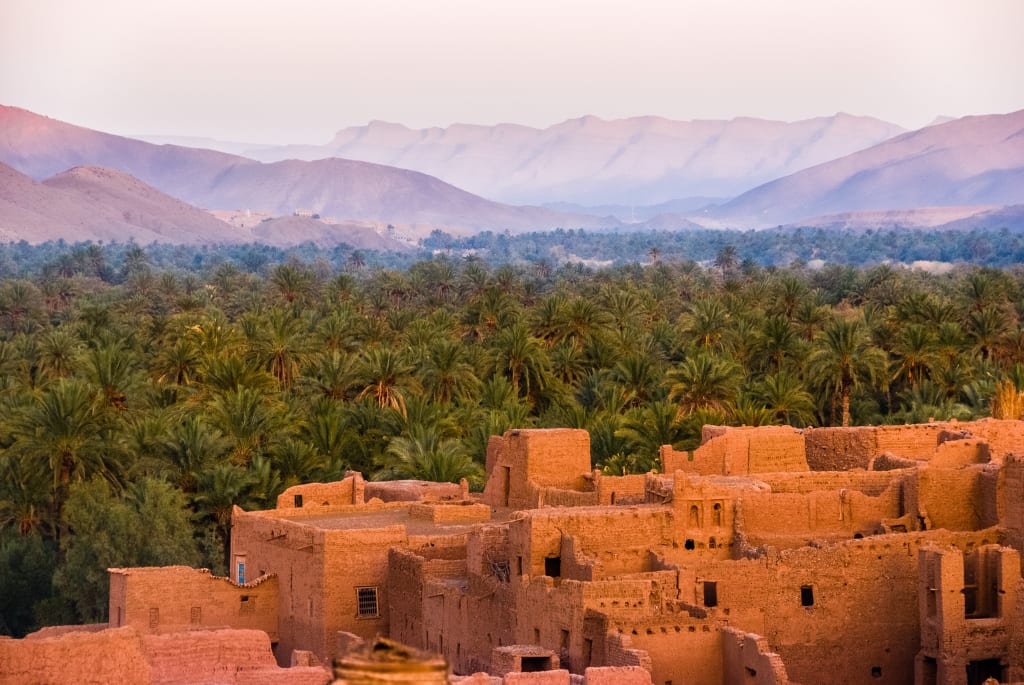
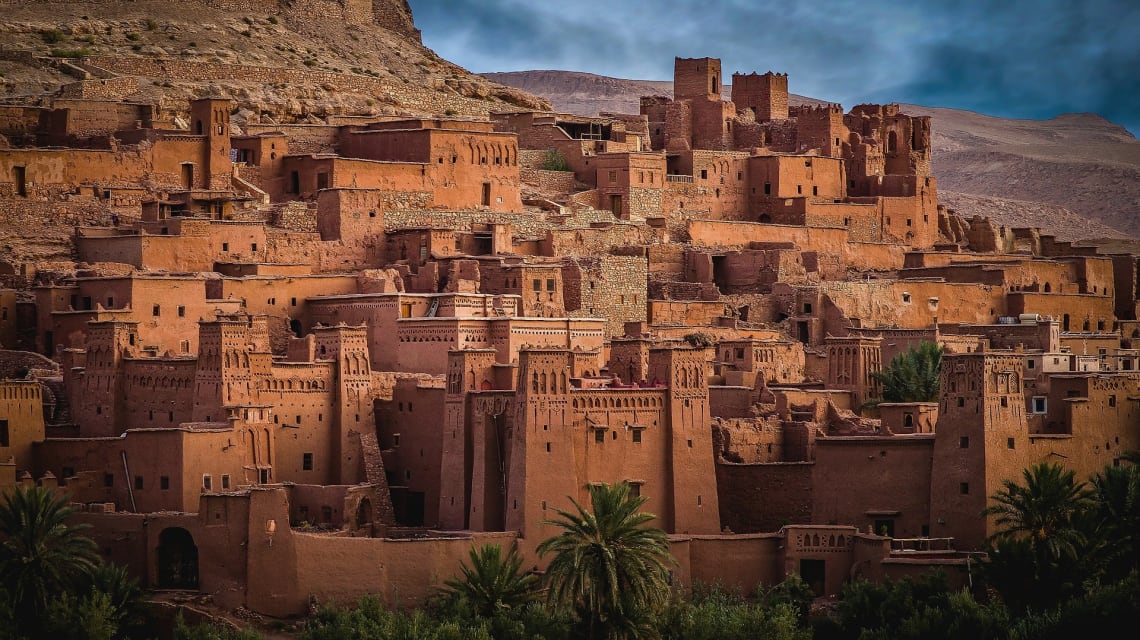
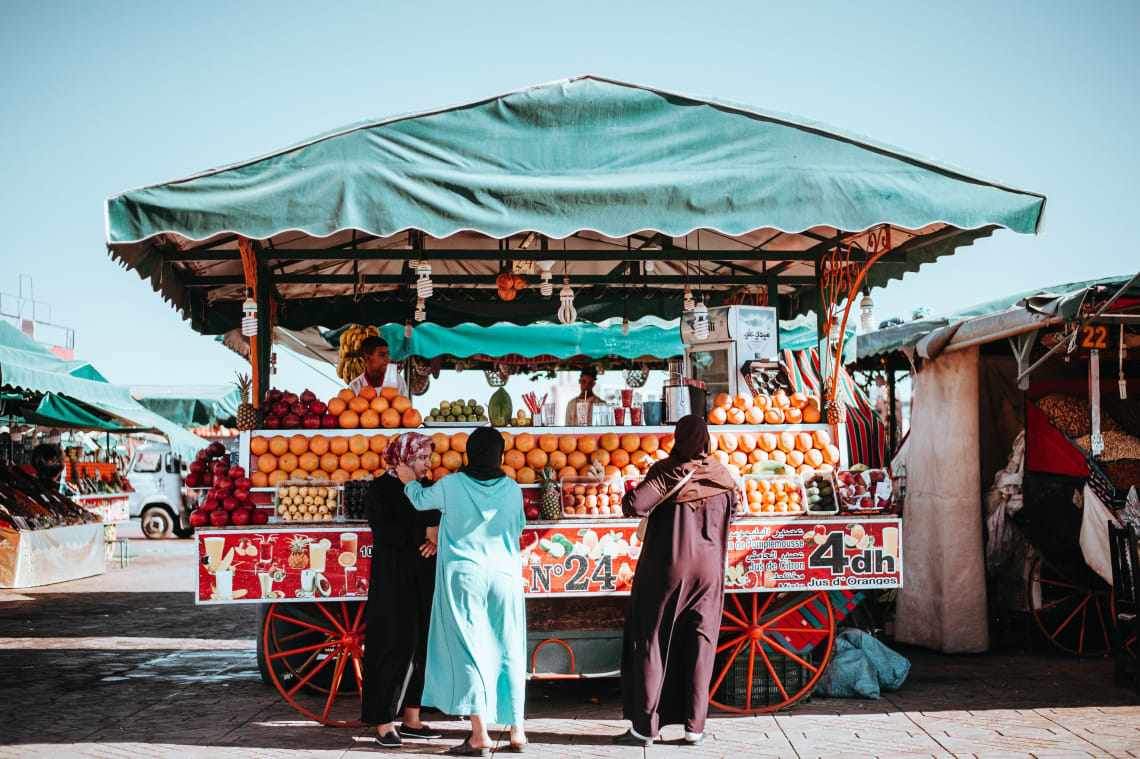
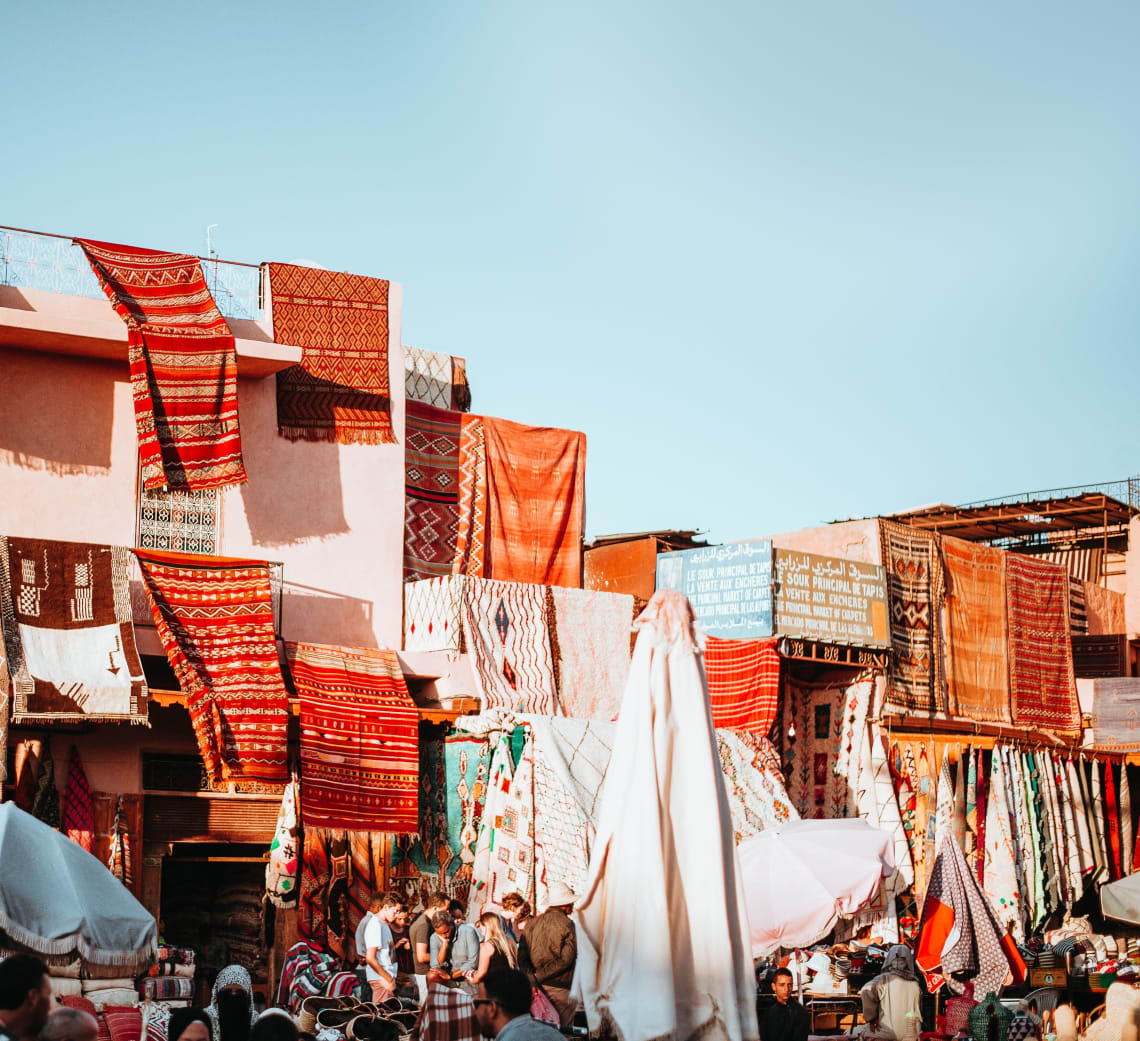
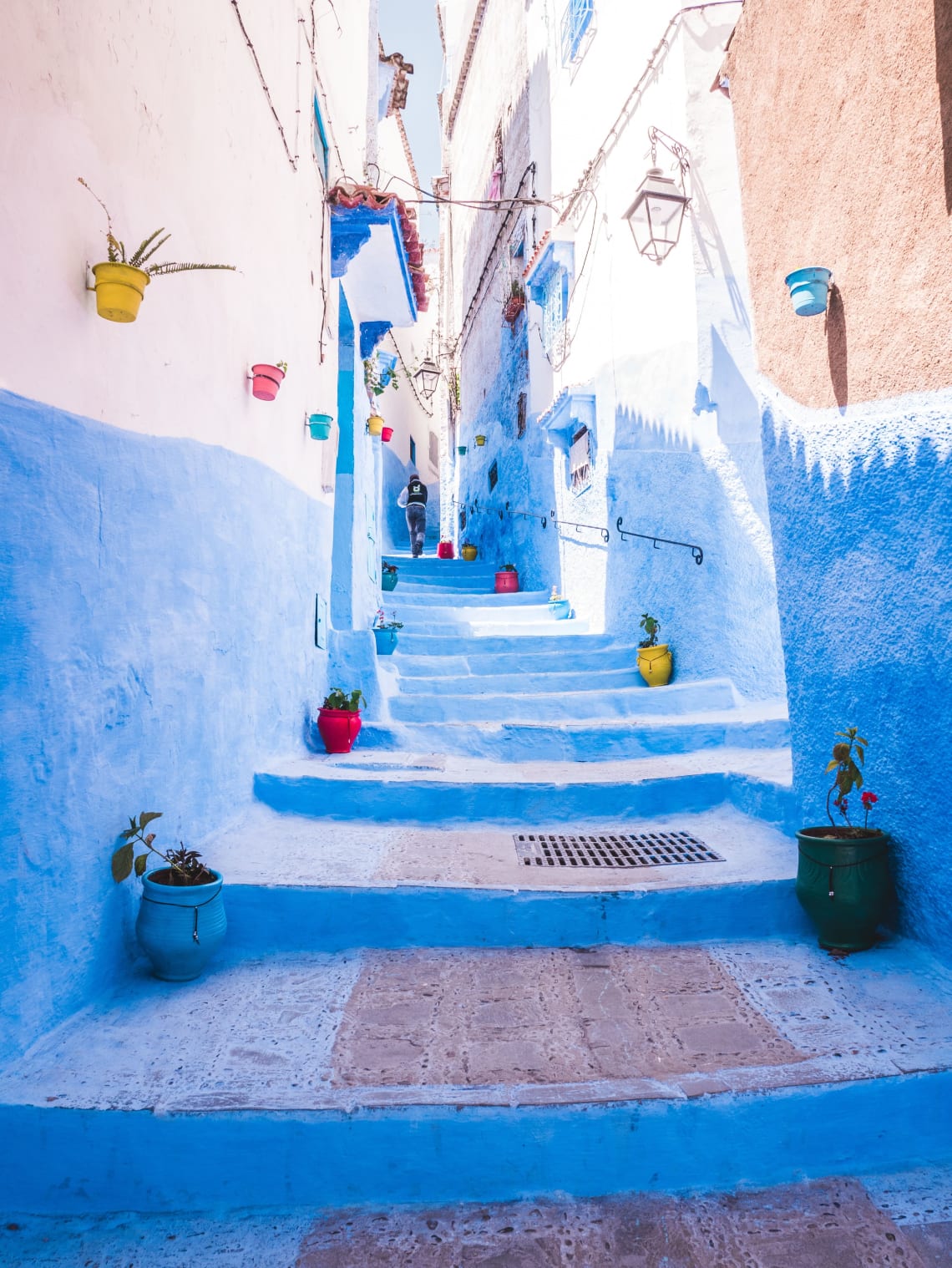
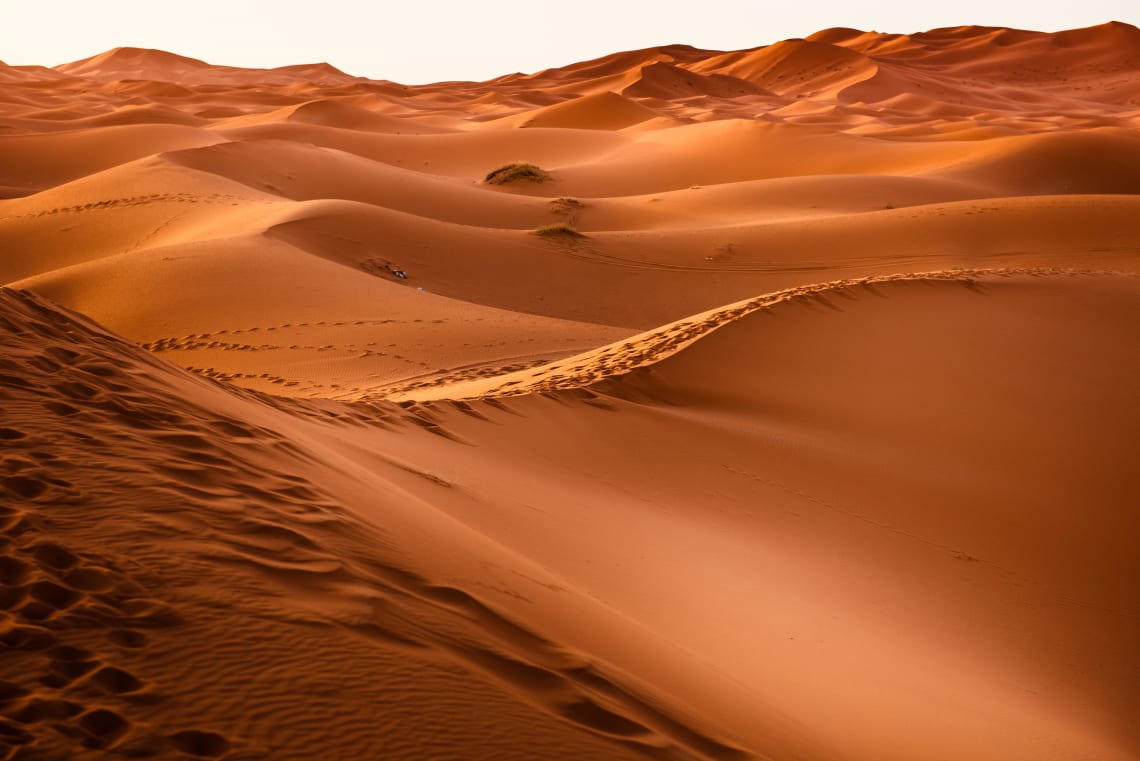

 Drinking mint tea is a daily occurrence in Morocco. Fresh mint leaves are thrown into a silver teapot, sometimes with a few sugar cubes added, and steeped with hot water. The tea is then poured into small glass cups and drank with friends and family.